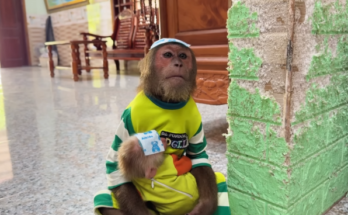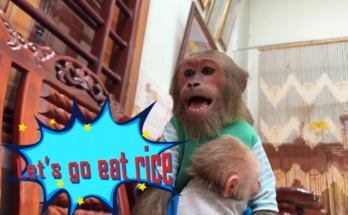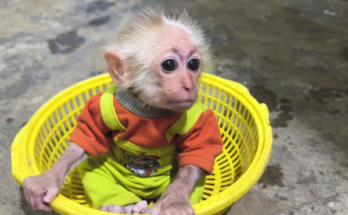
From the first moment I laid eyes on her, I knew my life had changed. It was a small, timid monkey, barely old enough to climb on her own, huddled in the corner of a cage in a roadside zoo. Her fur was matted, her eyes wide with fear, and her tiny hands trembled whenever a visitor passed by. The way people laughed and tapped on the glass, teasing and taunting her, sent a chill down my spine. I had always loved animals, but that day, I felt a burning resolve: I could not stand by. I could not let this continue.
It began with a single visit. I had heard whispers about the cruel treatment of primates in small, privately owned exhibits. Many were kept in cages too small to swing or climb, deprived of social interaction, forced to perform tricks, and teased by visitors who thought it amusing. I had seen documentaries, read articles, and even protested online—but nothing had prepared me for the reality of looking into her terrified eyes. I left that day shaken but determined. I made a promise to myself: I would make it my life’s mission to stop anyone from teasing or torturing primates.
The first step was education. I learned everything I could about primates—their intelligence, their emotional complexity, their need for social bonds, and their natural behaviors. I discovered that monkeys and apes are not merely “cute attractions”; they are sentient beings capable of deep emotions, problem-solving, and forming lifelong social bonds. To tease or abuse them is to assault their very nature. Every cruel joke, every taunt, every harmful gesture inflicted both fear and trauma. It wasn’t just physical—it was emotional, lasting, and devastating.
Armed with knowledge, I began raising awareness. I spoke at schools, community centers, and online forums. I created posts, videos, and articles detailing the plight of captive primates. I emphasized the harm caused not only by physical abuse but by teasing, neglect, and exploitation for entertainment. Some people listened immediately; others were defensive, claiming they “didn’t hurt them” or that it was “just fun.” I calmly explained that primates perceive teasing as threats. Their stress levels skyrocket, their behaviors change, and in extreme cases, mental and physical health deteriorates. Every laugh at their expense perpetuates fear.
The next step was direct action. I began volunteering at wildlife sanctuaries and rescue centers. Here, I met monkeys and apes who had survived years of neglect, teasing, and outright cruelty. Each one had a story etched in scars, broken teeth, or a trembling hand. One young rhesus macaque, named Kiki by the staff, had been forced to perform tricks in a traveling show. When people pointed and laughed at her mistakes, she would rock back and forth, her tiny body shaking with fear. Seeing her suffering ignited something inside me. I couldn’t stand for it—not in the sanctuary, not in the wild, and certainly not anywhere else in the world.
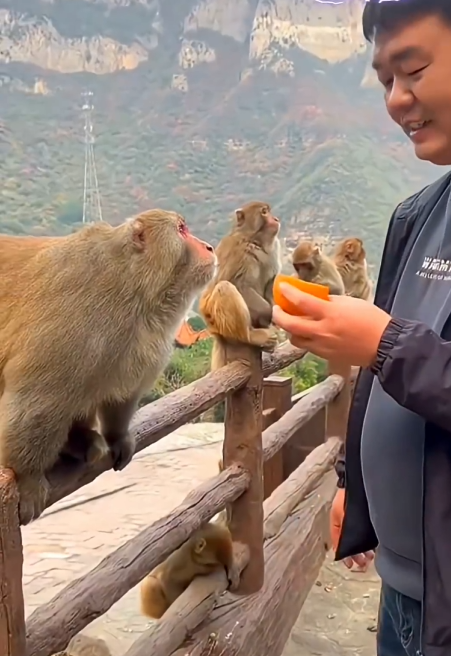
I began working with local authorities to enforce existing laws. Many countries have regulations against animal cruelty, but enforcement is often weak. Zoos, roadside attractions, and private collectors often exploit loopholes or rely on ignorance. I filed reports, gathered evidence, and provided expert testimony. I showed officials what teasing and minor abuse looked like—not just bruises, but subtle signs of trauma: refusal to eat, self-harm, repetitive behaviors, and heightened aggression. It was painstaking work, but it was necessary.
My mission wasn’t just about punishment—it was about rehabilitation. Rescued primates need time, space, and care to recover from years of abuse. Social integration, enrichment, and gentle guidance are essential. I helped design enrichment programs that allowed monkeys to swing, climb, explore, and play safely. I encouraged positive social interactions, free from human interference. Watching a formerly terrified monkey cautiously approach a caregiver or play with peers without fear became one of the most rewarding parts of my mission.
But public education remained central. I started campaigns aimed at tourists, festival-goers, and social media users. I reminded people that laughing at a monkey performing a forced trick, teasing it for its expressions, or even posting videos online encourages cruelty. I emphasized that primates feel fear, shame, and anxiety just like humans. Every click, every comment, every piece of entertainment derived from their suffering perpetuates harm.
It was not easy. People resisted change. Many argued that “monkeys are just animals” or that “it’s harmless.” I countered with stories, videos, and scientific research showing emotional complexity in primates. I shared examples of long-term trauma caused by teasing and mistreatment. Slowly, minds began to change. Schools started to include animal empathy in their curriculum. Tourist companies began to implement stricter rules. Social media influencers who had unknowingly exploited animals reached out to apologize and remove harmful content.
One particularly transformative moment came during a visit to a festival where monkeys were used in photo booths. Children were encouraged to dress the animals in costumes, pose with them, and laugh when they made mistakes. I spoke to the organizers, explaining the severe stress this causes: cortisol spikes, trembling, hiding, refusal to eat. At first, they argued it was harmless fun. But I invited them to meet a rescued monkey in a sanctuary. Seeing the trauma firsthand, witnessing how fearful and withdrawn these primates could be, changed their perspective. By the end of the day, the organizers agreed to remove the monkeys and switch to alternative photo opportunities using costumes and props without live animals. It was a small victory—but a victory nonetheless.
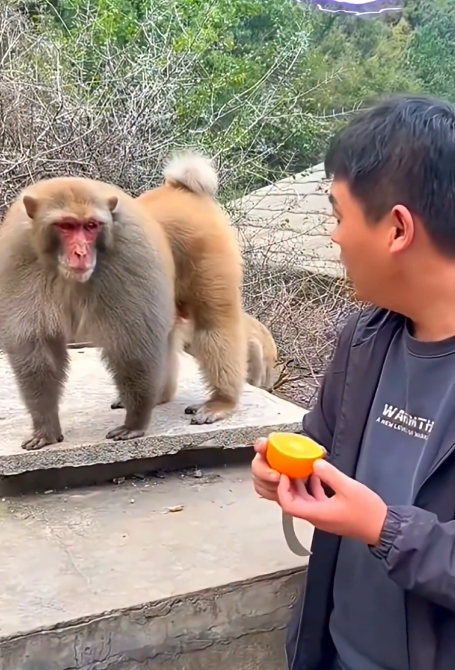
Throughout this journey, the monkey that inspired me never left my mind. Her frightened eyes haunted me, reminding me daily why I could not remain silent. She became a symbol of every primate teased, tortured, or exploited. Her story drove me to write, speak, campaign, and intervene. It fueled my passion and gave purpose to every action.
Today, my mission continues. I work with sanctuaries, governments, and international organizations to create safer environments for primates. I advise filmmakers, educators, and activists on ethical ways to engage with animals. I monitor social media to report harmful content, teach empathy to young audiences, and advocate for stronger laws. Every step, every effort, every rescued primate is a reminder of why I made this my life’s mission.
And yet, the battle is far from over. Every day, primates are teased, forced into unnatural situations, and subjected to human entertainment. Some people still don’t understand, or worse, don’t care. But I know that even a single life saved, a single mind changed, or a single moment of understanding makes the effort worthwhile. One day, I hope, no monkey will tremble in fear because of human cruelty or ignorance. One day, teasing and torturing primates will be a thing of the past. Until then, I will keep fighting.
I’ve made it my life’s mission to stop you—from laughing at their suffering, from exploiting them for profit, from teaching the next generation that cruelty is acceptable. Because primates are intelligent, emotional, and sentient beings. Because fear and trauma are real, even if subtle. Because love, respect, and empathy are stronger than ignorance or indifference.
And if you ever witness a monkey being teased or tortured, remember this: every laugh at their expense is a wound on their spirit. Every moment of indifference is an opportunity lost to protect them. Stand up. Speak out. Act. Because no monkey should suffer because of human amusement—and no one should ignore the pain of those who cannot speak for themselves.
My mission is clear. My purpose is unwavering. And I will not stop until primates everywhere are safe, respected, and free from cruelty.