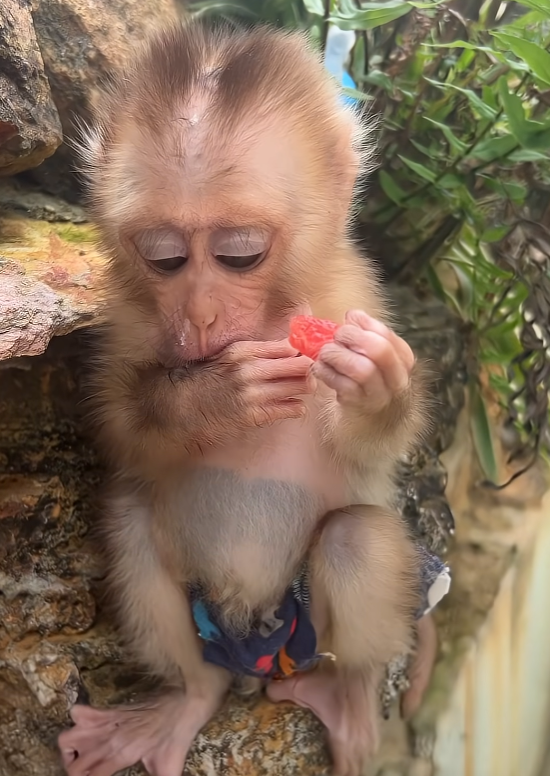
Mother gave Xuxu some fruit on a quiet afternoon when the house seemed to be holding its breath. The light filtered through the curtains in thin, golden lines, dust motes drifting lazily as if they, too, had nowhere else to be. Xuxu sat at the small wooden table by the window, legs swinging slightly, fingers tracing the scratches and dents left behind by years of family meals and unfinished conversations. The bowl Mother placed in front of them was simple—white porcelain with a small crack along the rim—but the fruit inside made it feel like an offering.
There were slices of apple, their pale flesh already beginning to brown at the edges, orange segments carefully peeled free of their bitter skins, and a handful of grapes washed and shining. Mother had cut everything with care, removing seeds, trimming bruises, arranging the pieces so they looked balanced, almost intentional. It was the kind of quiet care she showed best, the kind that didn’t require words.
Xuxu looked up at her. “For me?” they asked, though they already knew the answer.
Mother nodded, wiping her hands on a dish towel. “You didn’t eat much this morning.”
“I wasn’t hungry,” Xuxu said, though their stomach gave a small, traitorous growl as if to contradict them.
Mother smiled, not unkindly. “You don’t have to be hungry to take a little fruit. Just try.”
Xuxu picked up a grape and held it to the light, watching how it glowed faintly green, almost translucent. They liked grapes best when they were cold and firm, when they snapped between the teeth. These were room temperature, softer than ideal, but still sweet. They popped it into their mouth and chewed slowly, aware of Mother watching from the counter as she rinsed a cup.
The kitchen smelled faintly of soap and citrus. Outside, a bird called, sharp and insistent, then fell silent. Xuxu took another piece, an apple slice this time, and felt the familiar crunch give way to juice. Eating felt strange lately, like something that required more effort than it should have. But the fruit helped. It was light, forgiving, not demanding too much.
Mother moved around the kitchen with practiced ease, setting things in their places, aligning edges, straightening what didn’t strictly need straightening. She had always done that—kept the world tidy in small ways, even when larger things felt impossible to control. Xuxu had learned long ago that these movements were her way of thinking.
“Did you finish your drawing?” Mother asked, not turning around.
“Almost,” Xuxu said. “I don’t like the sky.”
“The sky is hard,” Mother said. “It never looks the same twice.”
Xuxu nodded, though Mother couldn’t see it. The drawing lay forgotten on the other side of the room, a half-finished scene of hills and houses, the sky an uneven wash of blue that felt too heavy, too crowded. Xuxu had tried to fix it by adding clouds, then birds, then a sun that looked more like a lopsided coin. Nothing helped.
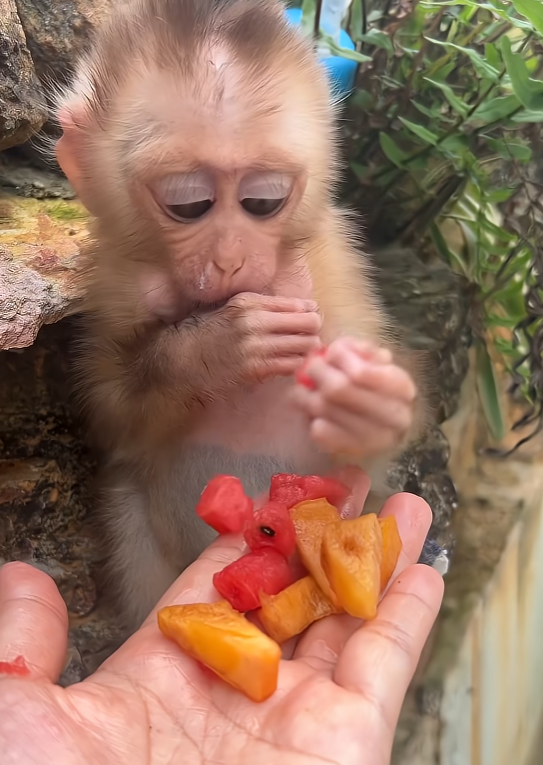
They ate another orange segment, the juice bright and sharp on their tongue. The taste pulled them back into the moment, into the kitchen, into the simple fact of being there. Mother finally turned and leaned against the counter, arms crossed loosely, eyes soft.
“Slow down,” she said gently. “It’s not going anywhere.”
Xuxu smiled a little and did as she said. They realized then that Mother wasn’t just talking about the fruit. She rarely did. Her advice came wrapped in ordinary statements, easy to miss if you weren’t paying attention.
When Xuxu was younger, fruit had felt like a consolation prize. They had wanted sweets, cookies from the tin on the top shelf, things that felt exciting and indulgent. Fruit was what you got when Mother said no to everything else. Now, it felt different. It felt like a kindness, like something chosen carefully rather than assigned.
“Can I take the rest to my room?” Xuxu asked.
“Of course,” Mother said. “Just don’t forget it in there.”
“I won’t,” Xuxu promised, though they both knew there was a chance they would. Forgotten bowls had a way of appearing under beds and behind books, relics of intentions that hadn’t quite held.
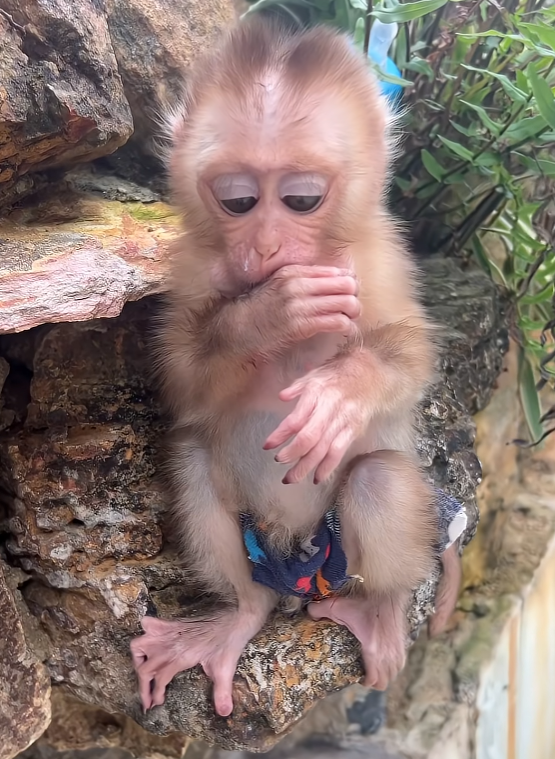
Xuxu carried the bowl carefully, feeling its weight, the slight warmth from the room. In their bedroom, they set it on the desk beside the drawing. The colors on the page looked different now, less overwhelming. They took another bite of apple and picked up a pencil.
As they worked, they thought about how Mother always seemed to know what was needed before anyone asked. She noticed when Xuxu skipped meals, when their shoulders slumped a little more than usual, when their laughter came slower. She responded not with lectures or worry, but with small gestures: a bowl of fruit, a cup of tea, a hand resting briefly on the back.
Time passed quietly. The fruit disappeared piece by piece, until only a few grape skins and orange fibers remained. The drawing changed, too. Xuxu softened the sky, lightened the blue, erased what didn’t belong. It wasn’t perfect, but it felt closer to what they had meant.
Later, Mother knocked once and peeked in. “How is it?”
“Better,” Xuxu said. “Both of them.”
Mother laughed softly. “I’m glad.”
She took the empty bowl without comment and left Xuxu to their work. As the door closed, Xuxu felt a calm settle over them, gentle and steady. Mother had given them fruit, yes, but she had also given them space, attention, and the quiet reassurance that someone was looking out for them in small, steady ways.
That night, as the house darkened and the sounds of the day faded, Xuxu thought about how love often arrived disguised as ordinary things. A bowl of fruit. A question asked at the right moment. A presence that didn’t demand anything in return. Mother gave Xuxu some fruit, and somehow, it was exactly what they needed.