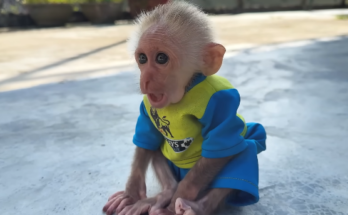
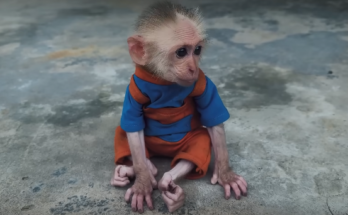
In a quiet village surrounded by rolling hills and green forests, a tiny baby named Luma lived with her mother. On the surface, everything seemed normal—birds sang in the trees, the sun shone brightly, and villagers went about their daily lives. But for little Luma, the world was full of shadows. Her mother, Mara, was unlike the warm, nurturing mothers in storybooks. Instead, she had a strict, cold, and controlling nature that seemed to drain the joy from Luma’s every day.
Luma was a curious baby, full of wonder. She loved the sound of the wind rustling through the trees, the soft feel of her favorite blanket, and the small wooden toys her father had left behind before he passed away. These simple joys were Luma’s treasures, yet her mother never let her enjoy them for long.
The First Loss
From the moment Luma reached for her wooden duck, Mara swooped in.
“Not now, Luma,” she said sharply, snatching the toy away. “It’s time to eat.”
Luma’s tiny fingers clutched at the duck, and her lips quivered in protest. She didn’t understand why something that made her happy was being taken from her. She reached again, squeaking softly, but Mara only shook her head and walked away, holding the toy behind her back like a prize.
To Luma, her mother’s actions felt cruel—like the devil herself had appeared to snatch away every moment of happiness. Each time she tried to hold onto a cherished object, her mother took it. Each time she reached for a comforting embrace or a playful toy, it was ripped from her tiny hands.
The Blanket Incident
Later that day, Luma curled up on her little mattress with a soft blanket that smelled faintly of her father. It was the one thing that gave her comfort, a tiny island of warmth in a cold world. Mara entered the room, her eyes narrowing.
“Give me that,” she commanded, pulling the blanket away.
Luma gasped and tried to hold it close, but her mother’s grip was firm. The baby’s lips trembled, and her eyes welled with tears.
“Why?” Luma’s tiny voice barely whispered.
Mara didn’t answer. She didn’t need to. Her message was clear: nothing belonged to Luma. Every object, every toy, every bit of comfort was controlled, taken, or withheld.
The villagers often whispered about Mara’s harsh ways. They said she had always been cold, even before Luma was born. But no one dared interfere—Mara’s reputation for control was well known, and the baby had no one to defend her.
The Emotional Toll
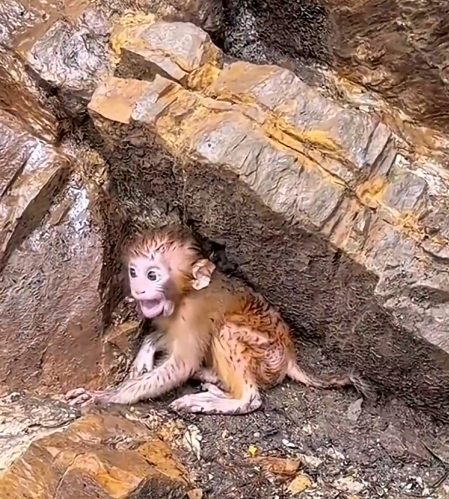
As days passed, Luma learned to expect loss. She never cried openly anymore; she only whined softly, her tiny heart quietly breaking each time her mother took something away. She began to understand the patterns of her mother’s control: when Luma reached for the sunlight on the windowsill, Mara would close the curtain. When she tried to touch a bird perched on the fence, her mother shooed it away. Even laughter, pure and innocent, was met with sharp words.
Luma’s world became smaller, a place where joy was fleeting and safety felt conditional. The warmth of the sun, the touch of soft fabric, the comfort of small toys—all were treated as privileges, never as rights.
The First Spark of Defiance
One afternoon, Luma spotted a small wooden bird her father had carved, hidden in a corner. Her tiny hands reached out, trembling with anticipation. For a moment, she felt a flicker of hope: maybe this one she could keep.
But Mara appeared instantly, her eyes dark and commanding. “Not that,” she said, grabbing the bird.
Luma’s face crumpled in anguish, but instead of giving up completely, she paused. She looked at the bird, then at her mother, then back at the bird again. Something stirred inside her—a tiny spark of defiance.
For the first time, Luma realized that maybe, just maybe, she could find small ways to hold onto joy without letting her mother know. A piece of ribbon under the mattress, a wooden toy hidden in her blanket, even a leaf from the garden—all became little treasures she could quietly claim for herself.
A Tiny Glimmer of Hope
One morning, the village healer, an old woman named Sira, came to visit Mara’s home. She had often seen the baby peering from behind the curtains, eyes wide and curious. Today, she decided to speak.
“Why do you take everything from her?” Sira asked gently.
Mara’s lips pressed into a thin line. “She doesn’t need these things,” she replied coldly. “She must learn discipline.”
Sira looked at Luma, who clutched a small wooden block behind her back. The baby’s eyes were wide, filled with a mixture of fear and hope. Sira knelt and whispered softly, “Even the smallest joy can give a child strength. Don’t take her light away.”
Mara said nothing, but Sira’s words lingered in the air like a breeze, a small seed of change planted quietly in the room.
Learning to Protect Herself
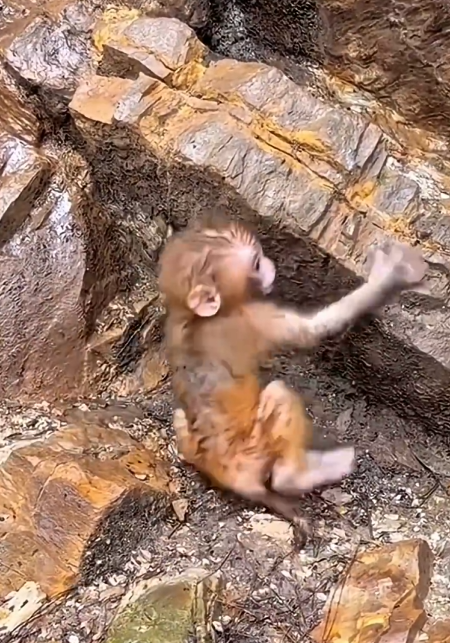
Luma began to develop clever ways to protect the small joys she had. She hid her favorite toy under her pillow, wrapped tiny leaves in her blanket, and even learned to smile at her mother while secretly holding on to what she loved. The mother might take many things, but she could not take the courage, the spark of hope, or the creativity Luma developed to survive.
Each tiny victory made Luma stronger. She realized that while her mother might be harsh, she could still carve out moments of happiness. And in those moments, her spirit grew resilient, learning that even in a world that seemed cruel, life held small treasures worth protecting.
The Mother’s Own Struggles
No one could see it, but Mara herself was trapped in a cycle of pain and fear. She had grown up under strict rules, with little love and even less freedom. Her attempts to control Luma were not born of malice—they were born of a fear that the baby might grow up spoiled, hurt, or lost. But Mara’s way of teaching was harsh, and in doing so, she often became the “devil” in her daughter’s eyes.
Luma, however, could not understand this. She only knew that everything she cherished was being taken away. But the very act of resisting, hiding, and protecting what she loved would later become her strength.
The Lesson of Survival and Hope
Over time, Luma learned to find joy in small things. A leaf fluttering in the wind, a bird’s song, the warmth of the sun on her tiny hands—these were her treasures, moments that could not be taken.
Her mother continued to take toys and blankets, insisting on discipline and control, but Luma had discovered an inner world the mother could not reach. She had learned resilience, creativity, and quiet rebellion. The baby who once cried when her mother took everything away now smiled at the smallest wonders she could secretly keep.
In this way, the harsh mother inadvertently taught the child a crucial lesson: even when life takes everything away, the human spirit—curious, clever, and resilient—can hold onto hope and joy.
Conclusion
The mother may have seemed like a devil to Luma, taking everything she loved and controlling every moment of her life. Yet, through this struggle, Luma learned to protect her spirit, find hidden treasures, and develop a strength far greater than her tiny body suggested.
One day, as Luma grew older, she would understand the complexities of her mother’s behavior, the fears and struggles that shaped her actions. But for now, the baby learned what mattered most: even when everything is taken, hope, courage, and the ability to find joy in small things remain untouchable.
And in that quiet victory, Luma discovered something truly amazing—the power to survive, to love, and to shine even in the shadow of hardship. 😮