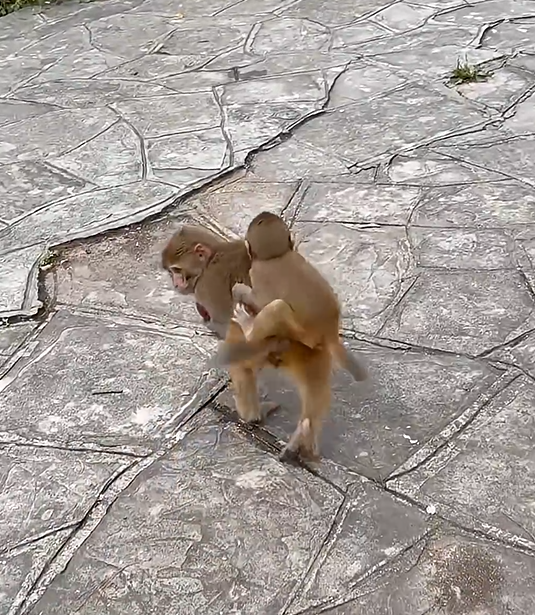
If you’ve ever watched a monkey in action—stealing food with ninja-like precision, solving problems with surprising creativity, or mimicking human gestures with eerie accuracy—you have probably wondered: Just how clever is a monkey? The answer may surprise you. Monkeys aren’t just playful creatures swinging in the treetops. They are intelligent, adaptable, emotional, and skilled in ways that often leave scientists—and humans—astonished. Their cleverness comes from a combination of instinct, social intelligence, problem-solving skills, memory, and adaptability. And the more you observe them, the more you realize that monkeys are far smarter than they appear.
To begin with, monkeys are incredibly good at reading behavior, especially human behavior. They watch, learn, and remember. In areas where humans visit often, monkeys quickly study people: who carries food, who is distracted, who is nervous, who is careless. They know where people hide snacks, how bags open, and even which pockets often contain food. This isn’t random. It is intentional observation—proof of sharp intelligence. Some monkeys even develop strategies: one distracts the human while another swoops in to snatch the item, showing teamwork and planning.
Their hand-eye coordination is another sign of their intelligence. Monkeys can grab objects with incredible precision, using fingers much like humans do. This dexterity helps them open lids, unfasten zippers, untie knots, peel fruits, and even use tools. Yes—tools. Many species, such as capuchin monkeys, use sticks to dig insects out of logs or rocks to crack nuts. This ability is considered a major sign of advanced cognitive ability because tool use requires forethought and understanding of cause and effect.
Memory is yet another skill monkeys excel in. Studies show that monkeys can remember locations, faces, routines, and even shortcuts. This memory helps them survive in the wild—knowing where food sources are, recognizing dangerous predators, remembering rival troop territories, and identifying safe hiding spots. In captivity, monkeys can remember puzzle solutions for months. They can learn sequences, patterns, and even symbols.
But monkey cleverness isn’t limited to problem-solving. They also have impressive social intelligence. Monkeys live in troops, and within these troops exists a complex social system. They understand hierarchy—who is dominant, who is trustworthy, who is aggressive, and who is nurturing. They form alliances, negotiate peace, support friends, and comfort family members. A monkey may groom another to gain favor, offer food to strengthen a bond, or even deceive another to gain an advantage. These social strategies show emotional understanding, manipulation, and advanced thinking.
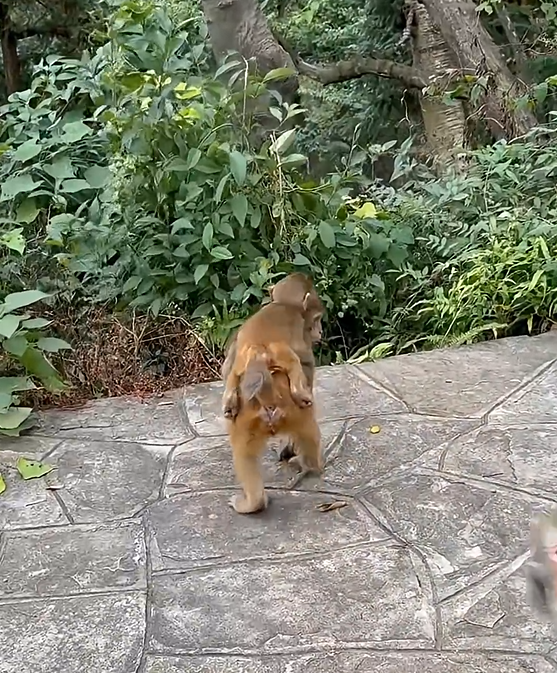
Communication is one of the most fascinating examples of monkey intelligence. Monkeys use vocal sounds, facial expressions, gestures, and body posture to communicate. Some species have specific calls for different predators—one call for eagles, another for snakes, another for leopards. When a monkey gives an alert, others respond instantly, showing that they understand the meaning. This type of communication is a foundation of language. And while monkeys do not speak like humans, they do have their own “language” systems that express needs, warnings, emotions, and intentions.
Young monkeys, like human children, learn through imitation. They watch older monkeys crack nuts, wash food, care for babies, or escape danger. Then they copy the behavior. This type of learning—called observational learning—proves that monkeys don’t rely only on instinct. They absorb new knowledge and adjust their behavior based on experience. In other words, they are capable of learning, not just reacting.
Even more impressive is the ability of certain monkey species to understand numbers and patterns. Some monkeys can count small numbers of objects, differentiate between amounts, or choose the bigger reward. Scientists have tested these abilities by offering monkeys two plates—one with two pieces of fruit, the other with five. Over time, monkeys choose the bigger amount with perfect accuracy. They can even solve simple logic puzzles, showing that their minds are capable of reasoning.
Monkeys are also clever in emotional intelligence. They know when another monkey is sad, stressed, or hurt. When babies cry, multiple troop members respond. When two monkeys fight, a third might step in to break up the conflict. Some monkeys even engage in reconciliation—hugging or grooming each other after disagreements. These actions show empathy, compassion, and emotional awareness—not something commonly found in animals.
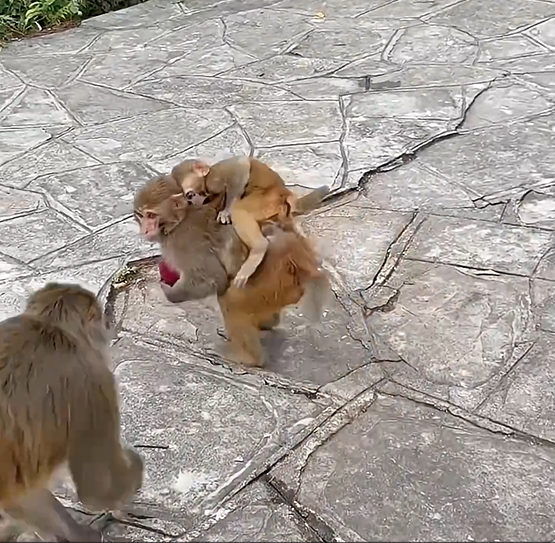
On the flip side, monkeys also show cleverness in mischief. They know how to trick each other. They can pretend to share food but pull it away at the last second. They can steal silently or distract others to take what they want. Their ability to strategize during play, fights, or stealing shows creativity and intelligence that goes beyond survival.
In areas where monkeys live close to humans, their cleverness becomes even more surprising. They learn traffic patterns and cross roads safely. They use parked cars as vantage points. Some monkeys wait near temples or tourist spots where food offerings are made. They even learn to trade—stealing valuable items and returning them only when offered food. This is not random behavior. It is negotiation, a form of bargaining intelligence rarely seen in animals.
Their adaptability is another sign of their cleverness. Whether in dense forests, mountains, cities, or farmlands, monkeys find ways to survive. They adjust their diets, routines, and strategies depending on what environment offers. A clever monkey doesn’t just survive—it thrives.
So, how clever is a monkey? The answer is: incredibly clever. Their intelligence covers many areas—memory, communication, problem-solving, emotion, social understanding, observation, and adaptability. In many ways, monkeys are mirrors of humans. They share curiosity, playfulness, creativity, emotional depth, and the ability to learn from experience.
Monkeys may be small, but their minds are powerful. The more you watch them, the more you see their intelligence shining through—sometimes in hilarious ways, sometimes in heartwarming moments, and sometimes in astonishing displays of natural wisdom. They are smart enough to survive, clever enough to thrive, and curious enough to constantly explore their world.
In the end, monkeys remind us of something simple but profound:
Intelligence doesn’t always come in the form of words or numbers. Sometimes, it comes in the form of instinct, emotion, creativity, and cleverness—qualities our monkey cousins possess in abundance.