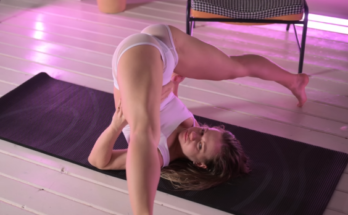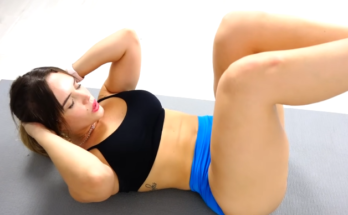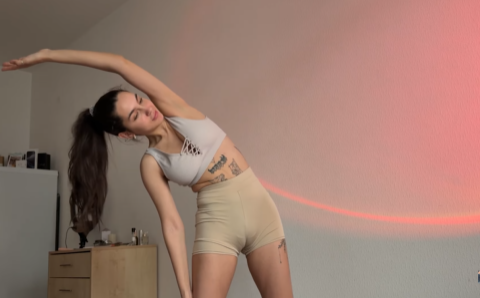
Training gymnastics at home has become a practical option for many people who want to improve flexibility, strength, balance, and body control without needing a professional studio. With the right structure, discipline, and a clear understanding of safe techniques, home-based practice can deliver impressive progress — whether you are a beginner exploring movement or someone refining existing skills. “Gymnastics at home” is not about pushing the body recklessly; it is about building intelligent movement foundations that support long-term performance.
Creating a Safe Environment
The first priority in any home setup is safety. Gymnastics involves dynamic motion, so you must create a space that reduces the risk of injury. A clear area free of furniture is essential. If possible, use a yoga mat, thick exercise mat, or carpeted space to add cushioning. Avoid practicing on slippery floors or near sharp edges. For beginners, a large open area is sufficient. As training progresses, you might add basic equipment such as resistance bands, light weights, a low balance beam trainer, or a pull-up bar. Good ventilation and comfortable room temperature also support longer sessions.
Before starting any routine, warm-up is mandatory. Joint mobility drills like ankle circles, wrist rotations, hip rotations, and shoulder rolls prepare connective tissue. Light cardiovascular movement — marching, jogging in place, or jump rope — increases blood flow and supports flexibility training. A proper warm-up primes the nervous system so the body responds more efficiently to stretching and strength-based drills.
Flexibility Foundations
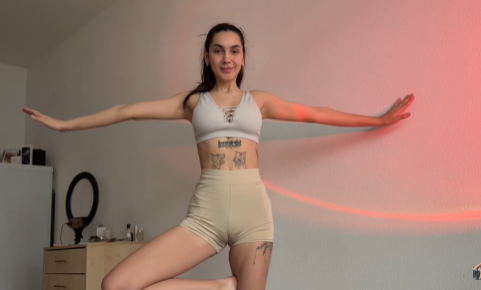
Gymnastics requires a high level of flexibility, especially in the hips, hamstrings, shoulders, spine, and ankles. At home, you can work on all major flexibility components through consistent daily practice.
Hamstring Stretching:
A forward fold or seated hamstring stretch targets the posterior chain. Keep the spine elongated instead of rounding excessively. Flex the foot to intensify the stretch. With regular practice, hamstring mobility improves significantly, supporting splits and handstands.
Hip Flexor Extension:
Kneeling lunges deepen hip flexibility. Tight hip flexors limit leg extension and contribute to back discomfort. Maintain an upright torso and gently push the hips forward while keeping the core engaged. This posture prepares the body for front splits and bridge variations.
Quadriceps Stretch:
Standing quad stretches or side-lying quad holds release the front thigh. Flexibility here is essential for leaps, kicks, and backbends.
Back and Shoulder Stretching:
Wall shoulder slides, puppy pose, and cobra variations open the upper body. These movements support bridges, walkovers, and handstand alignment. Avoid forcing the lower back; instead, allow the chest and shoulders to initiate the curve.
Inner Thigh Stretching:
Butterfly stretches, wide-fold positions, and frog pose target the adductors. These stretches build the foundation for middle splits and side kicks.
Flexibility improvements depend on time under tension and controlled breathing. Hold each stretch for 30–60 seconds, relax into the position, and avoid bouncing. Consistency is the strongest predictor of progress.
Strength Training for Gymnastics

Gymnastics is not just flexibility — strength is equally important. You do not need heavy equipment to build a strong foundation at home.
Core Strength:
The core is central to all gymnastics movements. Exercises like hollow body holds, planks, V-ups, and leg raises strengthen the entire midsection. A strong core stabilizes handstands, bridges, and balance skills.
Upper Body Development:
Push-ups, pike push-ups, and dips on a stable chair develop shoulder and chest strength. For beginners practicing handstands, these exercises are essential. Pull-up bars (if available) are ideal for improving grip, lats, and back strength.
Lower Body Strength:
Squats, lunges, calf raises, and glute bridges support jumping power and landing control. They build the strength required for leaps, cartwheels, and balance work.
Balanced strength prevents injuries and helps beginners achieve cleaner, more stable skills.
Skill Progressions You Can Practice at Home
With adequate preparation, you can train several safe gymnastics skills directly from home.
Cartwheel Progression:
Start by practicing side-to-side weight shift, then a “baby cartwheel,” only lifting one leg slightly. Use a line on the floor to guide direction and control. As confidence improves, extend both legs, aiming for straight alignment.
Handstand Work:
Begin with wall-assisted handstands. Face the wall and walk your feet up for better alignment. Practice holding for a few seconds at a time. Focus on tight core, squeezed glutes, and straight arms. Gradually move to freestanding attempts once the wall version feels stable.
Bridge and Backbend Training:
From the floor, push into a bridge by lifting the hips and pressing through the hands and feet. Maintain open chest and controlled breathing. Avoid forcing the back; increase difficulty gradually with regular practice.
Splits Training:
Consistency is key. Always warm up before attempting splits. Use blocks or pillows to support partial splits. With time, flexibility increases safely without strain.
Balance Drills:
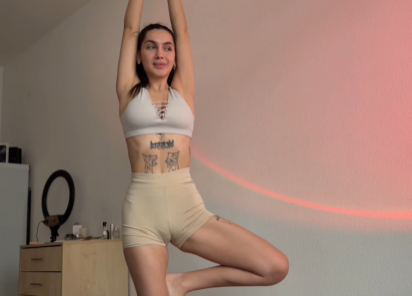
Practice standing on one foot, beam walks using a line on the floor, or controlled kicks. These drills sharpen body awareness and reduce injury risk during dynamic skills.
Common Mistakes to Avoid
Training gymnastics at home is effective, but improper technique can hinder progress. Avoid:
- Forcing deep stretches without adequate warm-up
- Holding your breath during flexibility work
- Allowing knees or elbows to collapse inward during strength drills
- Arching the lower back excessively during handstands
- Training through pain or sharp discomfort
- Skipping cooldowns
A mindful practice delivers far better results than aggressive pushing.
Cooldown and Recovery
After training, gentle stretching returns the body to a calm state. A short routine focusing on the hips, hamstrings, shoulders, and spine prevents tightness the following day. Hydration and adequate rest support tissue recovery. If training intensity increases, consider adding massage tools like foam rollers or massage balls to release tension.
Final Thoughts
Gymnastics at home is highly accessible when approached with structure and awareness. It does not demand expensive equipment — only dedication, patience, and consistency. With regular flexibility work, balanced strength training, and gradual skill progressions, anyone can build a stronger, more flexible, and more coordinated body right from their living space. Progress will vary from person to person, but daily practice ensures continuous improvement. Stay disciplined, train safely, and allow the body to adapt step by step.