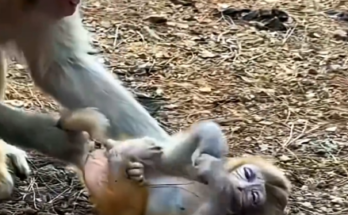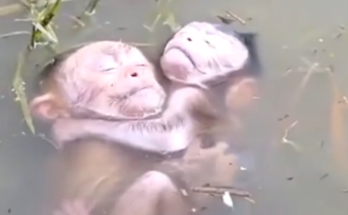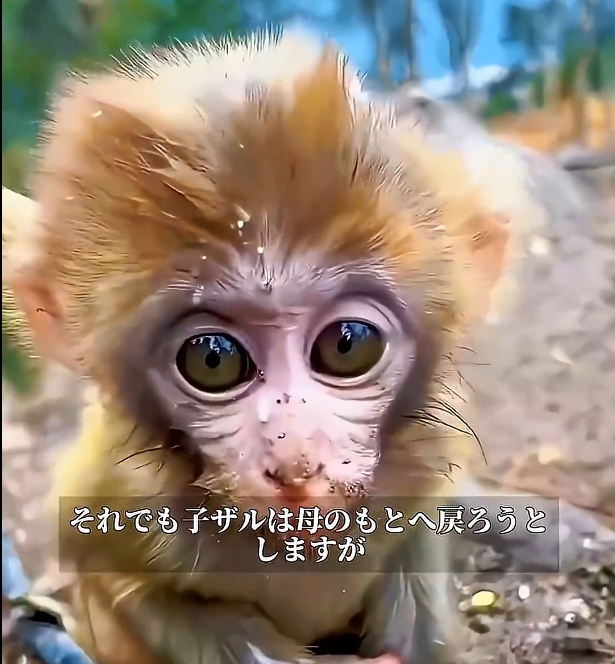
In the wild, the relationship between a mother monkey and her baby is usually one of the most touching and protective bonds in the animal kingdom. A mother monkey carries her infant everywhere, protects it from danger, and nurtures it with incredible patience. But sometimes, observers may witness behaviors that seem confusing or even harsh. People might ask, Why does a mother monkey treat her baby like this? At first glance, it can look like the mother is being rough, careless, or even cruel. However, the truth is often much more complex and deeply connected to survival, instinct, and the challenges of life in the wild.
To understand this behavior, it’s important to remember that animals do not think or act the same way humans do. Monkeys rely heavily on instinct, and their actions are shaped by the environment they live in. In forests, jungles, and other wild habitats, survival is never guaranteed. Food can be scarce, predators are always nearby, and competition within the group can be intense. In such conditions, mothers must raise their babies in a way that prepares them quickly for the realities of life.
Sometimes, what appears to be harsh behavior is actually a form of teaching. A mother monkey may push her baby away, ignore its cries for a moment, or encourage it to climb and move on its own. These actions help the baby develop independence and strength. A young monkey must learn how to hold onto branches, follow the troop, and react quickly to danger. If the mother constantly protects the baby without allowing it to try on its own, the baby may not develop the skills it needs to survive.
Another reason for seemingly rough treatment is stress. In many areas where monkeys live, their natural habitats are shrinking because of deforestation and human activity. When food becomes difficult to find or when monkeys must live close to humans, the entire troop can become stressed. A stressed mother may behave differently than usual. She might be more aggressive, impatient, or distracted. In such situations, the mother is not intentionally harming her baby—she is simply reacting to a difficult and uncertain environment.
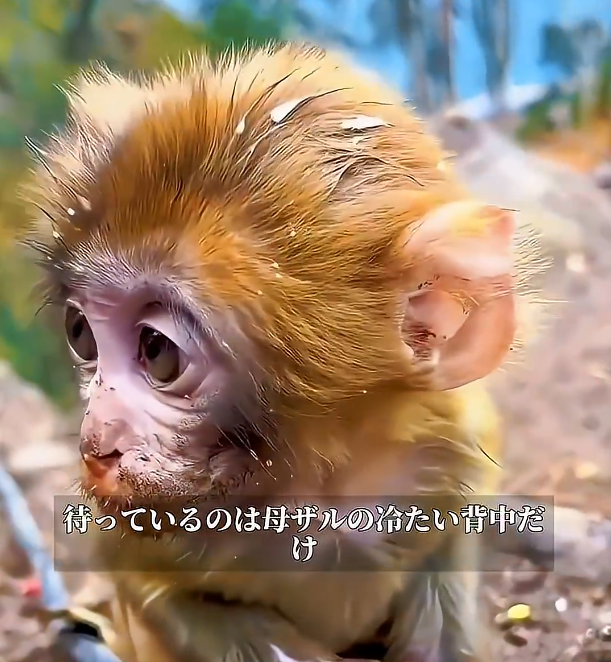
Social dynamics within the monkey troop can also influence a mother’s behavior. Monkeys live in highly structured groups with hierarchies and rules. Some females hold higher social status, while others must struggle for resources and protection. If a mother monkey is low in the social ranking, she may face constant pressure from other monkeys. Dominant members of the troop might steal food, threaten her, or even harm her baby. In response, the mother may become defensive or anxious, which can affect how she interacts with her infant.
First-time mothers sometimes behave differently as well. Just like humans, young mothers in the animal world may need time to learn how to care for their babies properly. An inexperienced mother might hold her baby awkwardly, move too quickly, or become confused when the baby cries. Over time, most mothers learn and adjust their behavior as their maternal instincts grow stronger.
Another important factor is the health of the baby itself. In the wild, animals must make difficult decisions about survival. If a baby monkey is born weak, injured, or sick, the mother may struggle to care for it while also protecting herself and the rest of the troop. In some cases, she may appear to neglect the baby. While this can be heartbreaking to watch, it is part of the harsh reality of nature, where energy and resources are limited.
However, it is equally important to remember that many stories and videos shared online do not show the full context of what is happening. A short clip might capture only a few seconds of unusual behavior without showing the hours or days of normal, loving care that the mother provides. In reality, most mother monkeys are extremely devoted. They groom their babies, keep them close to their bodies, and defend them fiercely against threats.
The bond between a mother monkey and her baby can be incredibly strong. Babies cling tightly to their mother’s fur as she moves through the trees, jumping from branch to branch with remarkable agility. The mother constantly checks on her infant, making soft sounds and gentle touches that strengthen their connection. This bond helps the baby feel safe while it slowly learns how to explore the world.
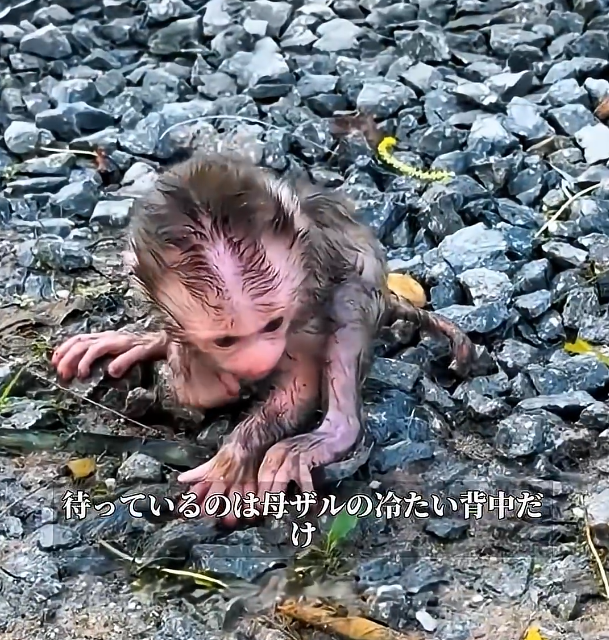
Scientists who study primates often observe that mother monkeys show many emotional behaviors that resemble human parenting. They comfort their babies, express concern when the infant is in danger, and celebrate small moments of progress. Watching a baby monkey learn to climb for the first time or interact with other young monkeys can be a joyful experience for the entire troop.
In some rare situations, unusual behavior may also occur because of outside interference. When monkeys become used to humans feeding them or interacting with them, their natural behaviors can change. A mother might become distracted by food offered by people, leaving her baby momentarily unattended. Over time, these changes can create confusion within the troop and disrupt normal parenting patterns.
Ultimately, when people ask why a mother monkey treats her baby in a certain way, the answer usually lies in the complicated balance between instinct, environment, and survival. What looks harsh from a human perspective may actually be part of a natural process that helps the baby grow stronger and more independent.
Nature is not always gentle, but it is deeply purposeful. Every movement, every lesson, and every challenge helps prepare young animals for the life ahead of them. Even when the behavior of a mother monkey seems difficult to understand, it often reflects the powerful instinct to ensure that her baby has the best chance to survive in a demanding world.
In the end, the story of a mother monkey and her baby is one of resilience, learning, and adaptation. Through patience and instinct, the mother guides her infant through the early stages of life, teaching it how to climb, explore, and eventually become part of the troop. While the journey may sometimes look rough, it is all part of the remarkable process of growing up in the wild.