In today’s fast-paced world, many people spend long hours sitting at desks, driving cars, or looking down at phones. Over time, these habits can cause tightness in the hips and lower back. Tight hips can lead to discomfort, poor posture, and limited mobility. This is where yoga becomes incredibly helpful. Through gentle hip stretches and flexibility exercises, yoga can release tension, improve movement, and help the body feel balanced and free again.
The hips are one of the most important and powerful joints in the body. They connect the upper body and lower body, supporting movement in nearly every daily activity. Walking, running, bending, sitting, and even standing rely on the hips working smoothly. When the hips become stiff, other parts of the body often try to compensate, which can lead to strain in the knees, lower back, or hamstrings.
Yoga offers a natural and effective way to restore flexibility to the hips. Instead of forcing the body into extreme positions, yoga encourages slow, mindful stretching combined with deep breathing. This allows the muscles around the hips to gradually open and relax.
A yoga session focused on hip stretches often begins with a gentle warm-up. Warming up the body prepares the muscles and joints for deeper stretches later in the practice. One of the simplest ways to start is with slow breathing and light movement. Sitting comfortably on a mat, take a few deep breaths and roll the shoulders gently. This helps the body relax and signals the mind to shift into a calm and focused state.
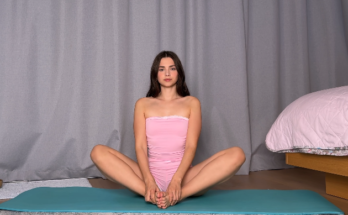
From there, many yoga routines begin with the butterfly pose, a classic stretch that targets the inner thighs and hips. Sitting on the floor, bring the soles of your feet together and allow your knees to drop gently toward the ground. Hold your feet with your hands and sit tall through your spine. As you breathe deeply, you may feel the hips slowly opening. This pose is simple yet powerful, especially when practiced regularly.

Another excellent stretch for hip flexibility is the low lunge pose. Step one foot forward and bend the front knee while extending the back leg behind you. Lower your hips slowly toward the ground while keeping your chest lifted. This movement stretches the hip flexors, which often become tight from prolonged sitting. Many people feel an immediate sense of release when holding this position for several breaths.
Yoga also includes poses that stretch the outer hips and glutes. One of the most well-known is the pigeon pose. In this position, one leg bends in front of the body while the other extends behind. The hips sink slowly toward the floor, creating a deep stretch in the hip area. Pigeon pose can feel intense at first, but with patience and steady breathing, it becomes deeply relaxing and restorative.
The key to improving flexibility is consistency and patience. The body does not change overnight. Instead, flexibility develops gradually as muscles become more accustomed to stretching. Practicing yoga regularly—even just a few minutes each day—can create noticeable improvements over time.
Breathing plays a crucial role in every yoga pose. Deep breathing helps relax the nervous system and allows the muscles to release tension. When people hold their breath during stretching, the body often becomes tighter. But when breathing slowly and steadily, the body naturally softens into each pose.
Another beneficial pose for hip mobility is the figure-four stretch. Lying on your back, cross one ankle over the opposite knee, forming a figure-four shape. Then gently pull the supporting leg toward your chest. This stretch targets the glutes and outer hips, helping to relieve tightness that can contribute to lower back discomfort.
For those who want a more dynamic movement, the yoga squat is an excellent option. Standing with feet slightly wider than hip-width apart, slowly lower into a deep squat while keeping the chest lifted. This position stretches the hips, ankles, and lower back simultaneously. It also improves mobility in the joints and strengthens the lower body.
Yoga hip stretches are not only beneficial for flexibility but also for relaxation. Many people store stress and emotional tension in the hips. Gentle stretching can help release this built-up tension, creating a sense of calm and emotional balance. This is why hip-opening yoga sessions often feel deeply therapeutic.
As the yoga practice continues, it is important to move slowly and listen to the body. Pushing too hard or forcing a stretch can lead to injury. Instead, the goal is to explore the body’s natural range of motion and gradually expand it with time.
Toward the end of the session, restorative poses help the body relax completely. One of the most calming positions is the reclining bound angle pose. Lying on your back with the soles of the feet together and knees gently falling outward allows the hips to open naturally. Placing cushions or yoga blocks under the knees can provide additional support and comfort.
Holding this position while breathing deeply creates a peaceful moment of stillness. The body begins to absorb the benefits of the entire practice. Muscles relax, the mind quiets, and the hips feel lighter and more open.
Regular hip stretching through yoga can improve posture, reduce lower back pain, and increase overall mobility. Athletes, office workers, and anyone seeking better physical comfort can benefit from these movements. Flexible hips also contribute to better balance and more efficient movement in everyday life.
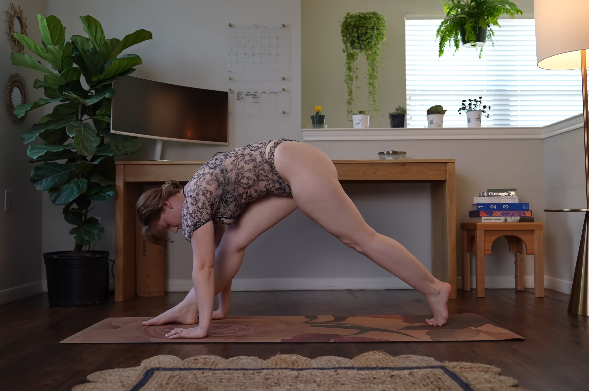
Beyond the physical benefits, yoga encourages mindfulness and self-awareness. Each stretch becomes an opportunity to check in with the body and mind. Instead of rushing through the day, yoga invites us to slow down and move with intention.
By the end of a hip-focused yoga session, many people notice that their movements feel smoother and their bodies feel more relaxed. Walking becomes easier, sitting feels more comfortable, and the lower back often experiences relief.
Flexibility is not about achieving perfect poses or extreme stretches. It is about creating freedom in the body so that movement feels natural and effortless. Through patience, breathing, and regular practice, yoga gently unlocks the hips and restores balance throughout the body.
With each session, the body becomes more open, more relaxed, and more connected. And over time, those small moments spent stretching and breathing grow into a powerful habit that supports long-term health and well-being. 🧘♀️✨