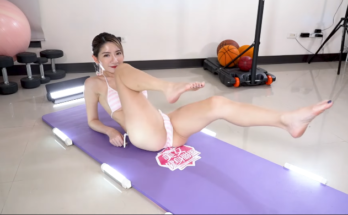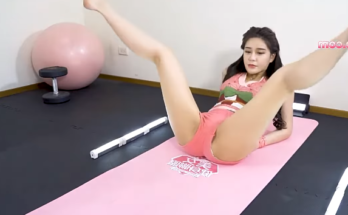

In the modern world of fitness, time is often the biggest obstacle for maintaining a consistent workout routine. Many people want to stay in shape but feel that long gym sessions are impractical. That’s where high-intensity interval training, or Tabata workouts, comes in. These workouts are designed to maximize effort in short bursts, delivering results in minimal time. One of the most effective routines for building strength, toning, and endurance is the “4 Minute Abs & Legs Tabata Workout (Bambi Baby)”, a fast, focused, and intense workout that targets the lower body and core in just four minutes.
Tabata training follows a simple yet demanding formula: 20 seconds of maximum effort followed by 10 seconds of rest, repeated for eight rounds. This structure creates a short but extremely intense workout that challenges both strength and cardiovascular endurance. The Bambi Baby version specifically emphasizes abs and legs, combining explosive movements and core engagement to create a well-rounded, effective routine.
Before starting, a warm-up is essential. Even though the workout lasts only four minutes, warming up prepares the muscles, increases blood flow, and reduces the risk of injury. A quick warm-up might include dynamic stretches such as leg swings, torso twists, marching in place, or gentle squats. The goal is to loosen the hips, hamstrings, and core, the primary areas targeted in the workout.
Once the body is ready, the Tabata rounds begin. The first exercise in the Bambi Baby routine is often squat pulses. Squat pulses are slightly different from standard squats: the athlete lowers into a squat and pulses up and down in small, controlled movements instead of standing fully upright. This keeps tension on the quadriceps, hamstrings, and glutes while engaging the core for stability. During the 20-second interval, participants perform as many controlled pulses as possible while maintaining proper form.
After the first 20-second burst, a 10-second rest allows the muscles a brief recovery before the next exercise. Even a short rest is valuable in Tabata because it allows the body to reset, maintain intensity, and prepare for the next round.

The second exercise usually focuses on the core. A common move is bicycle crunches, which target the rectus abdominis and oblique muscles. Lying on the back with hands gently behind the head, the athlete alternates bringing the opposite elbow toward the opposite knee in a pedaling motion. This twisting movement strengthens the obliques while keeping the abs actively engaged.
The third exercise shifts the focus back to the legs with alternating lunges. Lunges are excellent for building strength in the quadriceps, hamstrings, and glutes while also improving balance and stability. In the Bambi Baby Tabata, lunges are performed quickly yet controlled, emphasizing speed and form simultaneously. Proper technique ensures the front knee remains aligned with the toes while the torso stays upright, preventing strain and maximizing the workout’s benefits.
The fourth interval is often mountain climbers, a dynamic movement that combines core engagement with cardio. Starting in a plank position, the knees alternate rapidly toward the chest, activating the lower abdominals, hip flexors, and shoulders. Mountain climbers keep the heart rate elevated while further challenging the core and lower body simultaneously.
By this point, the body is fully engaged. The legs may feel heavy from repeated squats and lunges, while the abs burn from crunches and plank-based movements. Maintaining focus and controlled breathing is essential to sustain the intensity and prevent fatigue from compromising form.
The fifth round may return to jump squats. Unlike squat pulses, jump squats incorporate explosive movement, where the athlete jumps upward from the squat position and lands softly, immediately going back into the squat. This exercise strengthens the legs while increasing power and coordination. The quick jumps elevate the heart rate further, adding a cardio element to the lower body workout.
Round six often targets the abs again with leg raises or flutter kicks. Lying flat on the back, the athlete lifts the legs toward the ceiling and lowers them slowly without touching the floor, engaging the lower abs. Flutter kicks add a slight variation with alternating small up-and-down movements, which continue to challenge the core while keeping the body moving at high intensity.
The seventh round may introduce plank jacks, a combination of a plank and jumping jack movement. In a plank position, the feet jump out and in while keeping the core stable. This works the abs, shoulders, and legs, and keeps the heart rate high, mimicking cardiovascular exercise while strengthening the core simultaneously.

The eighth and final round is often a burnout combination of squat pulses and crunches, performed as quickly as possible while still maintaining good form. The last 20 seconds push the body to its limit, leaving participants feeling fully worked and accomplished.
Despite the short four-minute duration, this Tabata session is incredibly effective. The combination of lower body exercises and core movements ensures that multiple muscle groups are activated simultaneously. Additionally, the alternating intervals of work and rest maximize energy expenditure, helping to burn calories efficiently while building strength and endurance.
One of the greatest benefits of a Tabata workout like this is its accessibility. No equipment is needed—bodyweight alone is sufficient—so it can be performed almost anywhere: at home, in a gym, or even outdoors. Beginners can adjust intensity by performing slower movements or reducing the range of motion, while advanced athletes can push harder, increasing speed and adding jumps for an extra challenge.
Another advantage is the focus on functional fitness. Strengthening the abs and legs improves stability, balance, and coordination in everyday activities. Tasks such as walking, climbing stairs, or lifting objects become easier when the core and lower body are strong and responsive.
Cooling down after a Tabata workout is important. Gentle stretches targeting the hamstrings, quads, glutes, hip flexors, and abdominal muscles help release tension and improve flexibility. Deep, controlled breathing also aids in lowering the heart rate and promoting recovery.
Consistency is key for results. Performing a short, high-intensity routine like the 4 Minute Abs & Legs Tabata Workout (Bambi Baby) regularly can lead to noticeable improvements in muscle tone, endurance, and overall fitness. Even a few minutes a day, repeated consistently, can create lasting changes in strength, stamina, and body composition.

Beyond physical benefits, short but challenging workouts like this also foster mental resilience. Pushing through the intense intervals requires focus and determination, building confidence and discipline. Over time, participants learn to embrace discomfort as a temporary challenge on the path to greater strength.
In the end, the Bambi Baby 4-minute Tabata workout proves that effective fitness does not require hours at the gym. With focus, intensity, and commitment, just a few minutes can target multiple muscle groups, elevate the heart rate, and provide a full-body challenge.
For anyone looking to strengthen their core, tone their legs, and boost cardiovascular endurance in a short amount of time, this workout delivers impressive results. By incorporating the Bambi Baby routine into a consistent training schedule, participants can achieve stronger abs, sculpted legs, and greater overall fitness—all in just four minutes.
The simplicity, accessibility, and intensity of the Tabata format make it a perfect choice for busy lifestyles. With exercises like squats, lunges, mountain climbers, and plank variations, the 4 Minute Abs & Legs Tabata Workout combines the best elements of cardio, strength, and functional fitness into one powerful routine.
Ultimately, this workout reminds us that fitness is not about the duration of a session but the quality of effort. When executed with focus and determination, just four minutes can make a meaningful difference in building strength, endurance, and confidence—proving that even short workouts can yield incredible results.