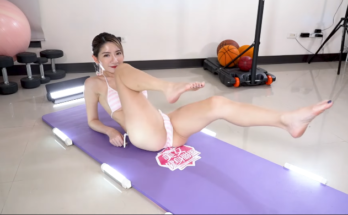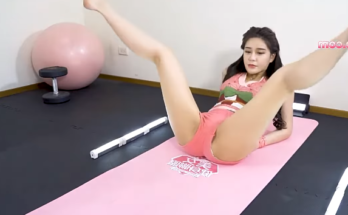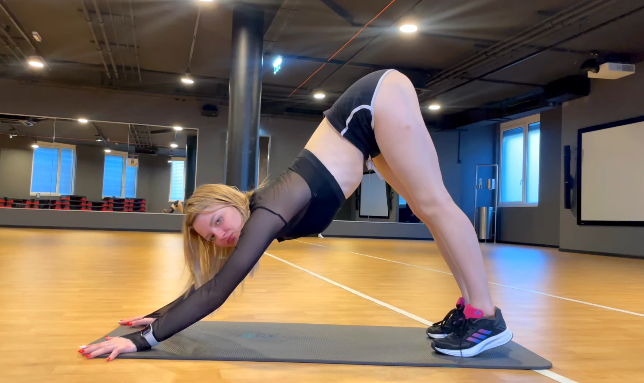
Flexibility and body control are two of the most fascinating abilities in the world of fitness, gymnastics, and yoga. Among the many stretches that athletes and yoga practitioners perform, the standing hamstring stretch stands out as one of the most important and visually impressive movements. Frequently featured in fitness and yoga reels across social media, this stretch highlights both flexibility and balance, demonstrating how the human body can achieve elegant and powerful movement through consistent training.
For gymnasts, dancers, and contortionists, hamstring flexibility is essential. The hamstrings are a group of muscles located along the back of the thigh. These muscles play a crucial role in leg movement, posture, and balance. When the hamstrings are tight, movements like high kicks, splits, and forward bends become difficult. But when they are flexible and strong, athletes can move with greater freedom and control.
The standing hamstring stretch is a simple yet effective exercise that targets these muscles directly. Despite its simplicity, it is a foundational movement in many training routines, especially for those working on advanced flexibility or contortion skills.
In a typical standing hamstring stretch, the athlete begins in a tall, upright position with feet about hip-width apart. The spine is kept long and straight, shoulders relaxed, and the core gently engaged. From this position, one leg remains grounded while the other leg may extend forward, rest on a raised surface, or lift into a high position depending on the level of flexibility.
Beginners usually perform the stretch by placing one foot slightly forward and gently bending at the hips. The key is to hinge from the hips rather than rounding the back. This allows the stretch to focus on the hamstrings rather than the lower spine. The hands may reach toward the shin, ankle, or foot, depending on comfort and flexibility.
For more advanced athletes, the standing hamstring stretch becomes much more dramatic.
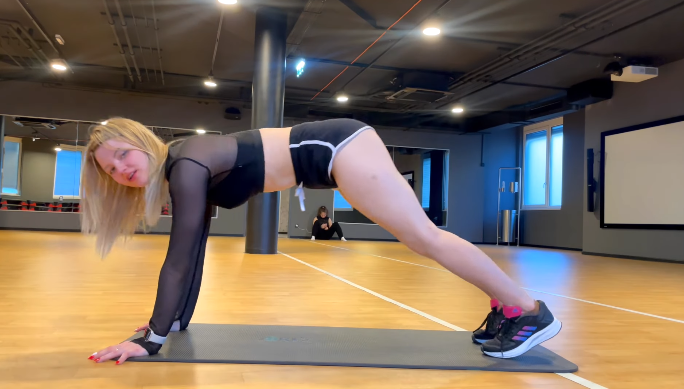
Gymnasts and contortionists often lift the extended leg very high, sometimes reaching shoulder level or even higher. In extreme flexibility demonstrations, the raised leg can extend vertically while the athlete balances gracefully on the supporting leg. This position requires tremendous flexibility in the hamstrings as well as strength in the hips, core, and standing leg.
Balance becomes a major component at this level. Holding the raised leg while maintaining control and stability demands excellent body awareness. Athletes must focus on alignment, breathing, and muscular engagement to remain steady.
This is one reason the standing hamstring stretch is so popular in fitness and yoga reels. The movement looks both elegant and powerful, especially when performed smoothly and with proper technique. A well-executed stretch can showcase flexibility, strength, and grace all at once.
However, achieving this level of flexibility requires careful training.
A proper warm-up is essential before attempting deep hamstring stretches. Cold muscles are more prone to strain, so athletes typically begin with light movement to increase blood flow. Simple exercises like jogging in place, jumping jacks, or dynamic leg swings help prepare the muscles for stretching.
Dynamic stretching is often the next step. Unlike static stretching, dynamic stretches involve controlled movements that gradually increase range of motion. For example, gentle leg swings forward and backward can help loosen the hamstrings while also activating the hip muscles.
Once the body is warm, athletes can move into static stretches like the standing hamstring stretch. Holding the stretch for 20 to 30 seconds allows the muscles to lengthen gradually. Breathing slowly and deeply helps the body relax and prevents unnecessary tension.
In yoga practice, the standing hamstring stretch appears in several poses. One well-known example is the standing forward fold, where practitioners bend forward from the hips while keeping the legs straight or slightly bent. This pose stretches the hamstrings while also lengthening the spine and calming the mind.
Another yoga variation is hand-to-big-toe pose, where one leg lifts forward while the practitioner holds the big toe or foot. This posture closely resembles the high-leg stretch often seen in gymnastics or flexibility training.
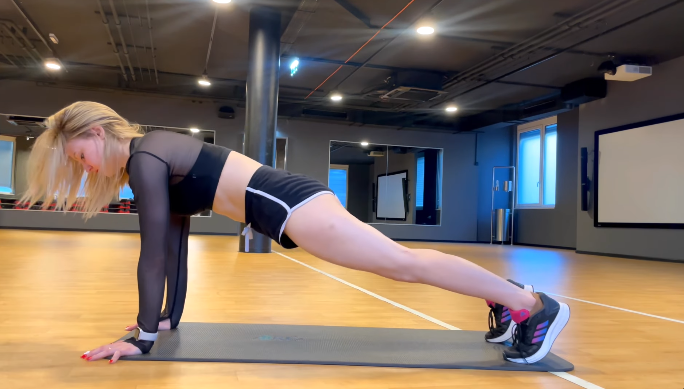
Contortionists may push the movement even further by pulling the leg toward the head while standing upright. This extreme variation requires years of flexibility training and careful conditioning of the muscles and joints.
While these advanced poses can look astonishing, they are built upon the same basic principle: gradually improving hamstring flexibility through consistent practice.
It is important to remember that flexibility develops at different speeds for each person. Some individuals naturally have looser muscles and joints, while others may require more time to increase their range of motion. Patience and consistency are key.
Overstretching or forcing the body into a position too quickly can lead to injury. That is why experienced trainers always emphasize listening to the body and respecting its limits.
Strength training also supports flexibility.
Strong muscles help stabilize the joints and maintain control during deep stretches. Exercises like lunges, glute bridges, and core training improve overall stability, making it easier and safer to perform advanced flexibility movements.
Another benefit of the standing hamstring stretch is its impact on posture and daily mobility. Tight hamstrings can contribute to lower back discomfort and restricted movement. Regular stretching helps lengthen these muscles, improving posture and reducing stiffness.
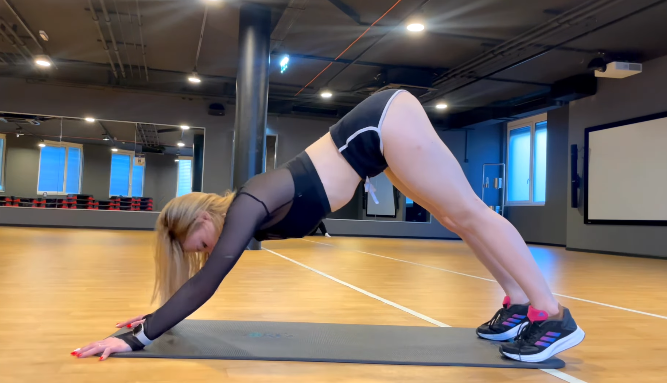
For many people, incorporating hamstring stretches into their daily routine can make everyday activities like walking, bending, or exercising feel easier and more comfortable.
Social media fitness reels have helped bring attention to these benefits. Short videos often show athletes performing graceful stretches in scenic locations, inspiring viewers to try flexibility training themselves. These clips highlight the beauty of controlled movement and the impressive results of dedication.
Behind every elegant stretch seen in a reel or performance is hours of practice, patience, and discipline.
Athletes gradually build their flexibility step by step, celebrating small improvements along the way. What may start as a simple forward bend can eventually develop into a stunning high-leg stretch that showcases the body’s incredible potential.
The standing hamstring stretch is a perfect example of how a basic movement can evolve into something extraordinary.
With time, training, and mindful practice, this simple stretch becomes a gateway to greater flexibility, better balance, and stronger body awareness.
And for gymnasts, yoga practitioners, and contortionists alike, it remains one of the most essential and beautiful stretches in the world of fitness and movement.