The morning sun rose gently over the village orchard, painting the sky in shades of gold and peach. Tall papaya trees stood proudly in neat rows, their green crowns stretching toward the light. Beneath them, clusters of ripe papayas glowed in warm shades of yellow and orange, ready to be harvested.
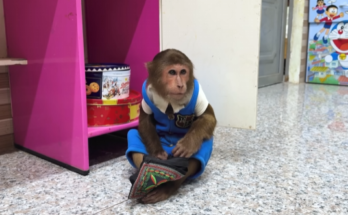
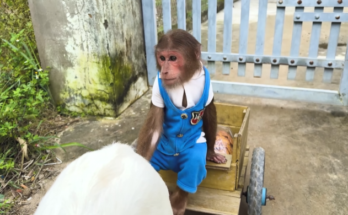
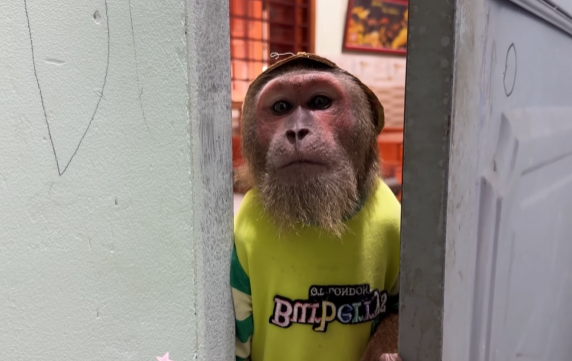
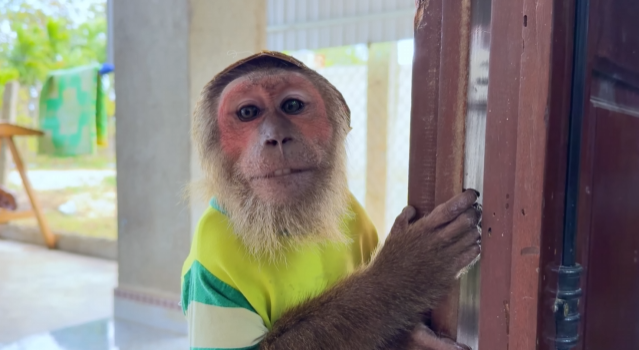
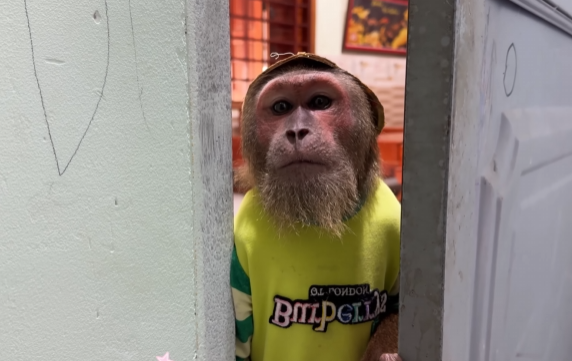
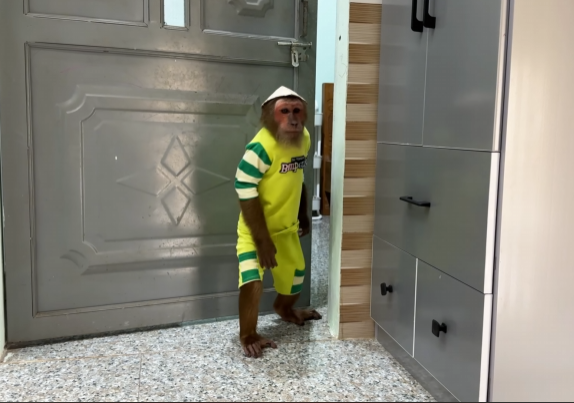
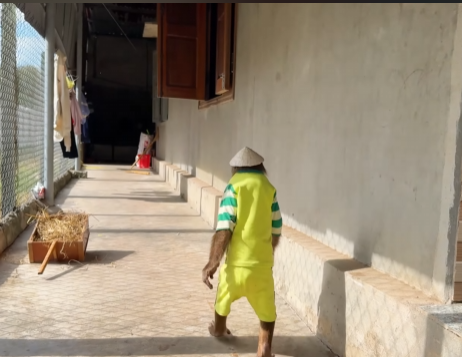
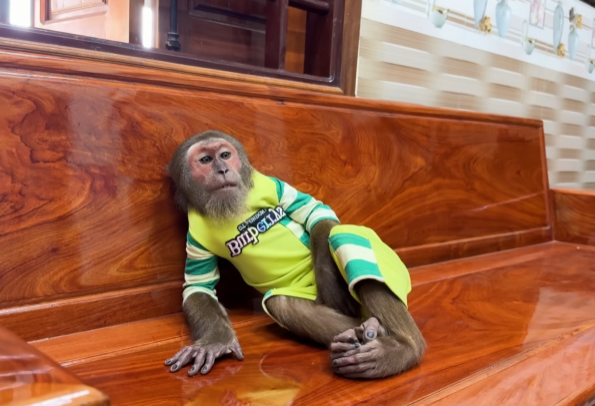
CUTIS and his best friend Buem stood at the edge of the orchard, hands on their hips, studying the scene seriously.
“This looks harder than it seems,” Buem said, squinting up at the tall trees.
CUTIS nodded. “Papayas grow high. If we climb, it’s dangerous. If we shake the tree, the fruit might bruise.”
They had volunteered to help harvest the papayas while CUTIS’s mom visited the market. What began as a simple task quickly became a challenge. The trees were tall and slender, their trunks smooth and not easy to climb. The ripest fruits were near the top, far above their reach.
But CUTIS wasn’t worried.
“Super smart solutions always exist,” he said confidently.
The first idea was simple — use a ladder. They dragged an old wooden ladder into the orchard and leaned it carefully against a tree. Buem climbed halfway, reaching out carefully.
The ladder wobbled slightly.
“This feels unsafe,” Buem admitted.
CUTIS quickly steadied it from below, but he could see the risk. If they fell, someone could get hurt. Also, climbing up and down for each fruit would take too long.
They climbed down and thought again.
“What if we use a long stick?” Buem suggested.
CUTIS found a bamboo pole nearby. Buem tried to knock a papaya loose gently. But when the fruit fell, it hit the ground with a dull thud.
They picked it up.
Bruised.
CUTIS frowned. “If we damage them, we can’t sell them.”
They sat under a tree, thinking deeply. Around them, birds chirped and a soft breeze rustled the leaves. The orchard was peaceful, but the problem remained.
CUTIS suddenly snapped his fingers.
“I remember seeing something at the market,” he said excitedly. “A fruit picker!”
Buem’s eyes lit up. “The one with a small basket at the end?”
“Yes!” CUTIS jumped up. “Let’s build our own.”
They rushed to gather materials. They found a long, strong bamboo pole, a small woven basket, and some soft cloth. CUTIS carefully attached the basket to the top of the pole using rope. Then, inside the basket, they added soft cloth padding to prevent bruising.
Finally, CUTIS cut a small V-shaped notch on the edge of the basket rim.
Buem looked impressed. “Why the notch?”
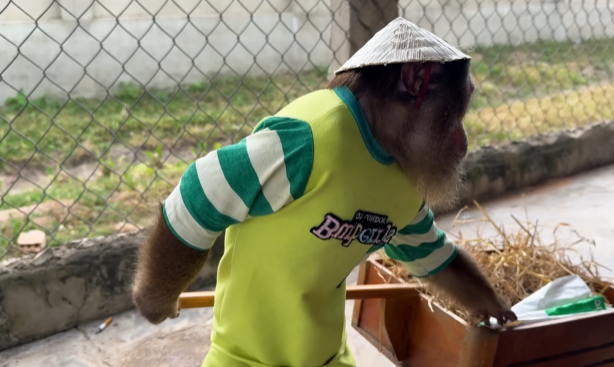
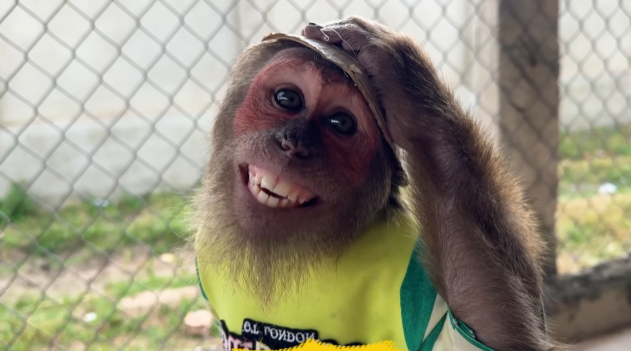
“So when we pull the fruit gently, the stem will slide into the notch and snap cleanly,” CUTIS explained.
They stood up and positioned the tool under a ripe papaya. Slowly, carefully, CUTIS lifted the pole until the basket cradled the fruit. He adjusted the angle so the stem rested inside the notch.
“Ready?” he whispered.
Buem held his breath.
CUTIS gave a gentle twist.
Snap.
The papaya dropped softly into the padded basket.
They lowered the pole carefully.
Perfect condition.
Both boys cheered loudly.
“It works!” Buem laughed.
With renewed energy, they continued harvesting. The homemade fruit picker allowed them to reach high fruits safely from the ground. They moved efficiently from tree to tree, carefully selecting only ripe papayas.
CUTIS noticed something else. “Let’s sort them immediately,” he suggested.
They created three piles: fully ripe for market, slightly green for later, and overripe for home use. This saved time and prevented confusion later.
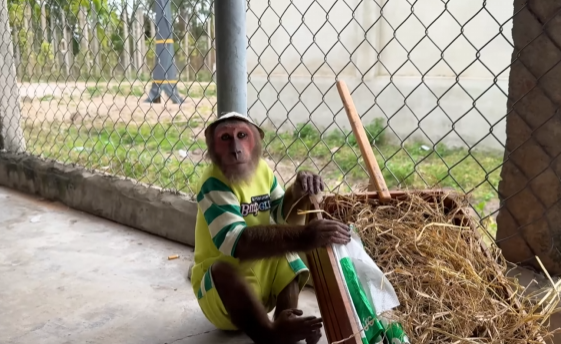
Buem nodded approvingly. “That’s smart organization.”
The morning passed quickly. Their movements became smooth and coordinated. Buem held the basket steady when needed, while CUTIS adjusted angles carefully. Sometimes they switched roles.
At one point, they discovered a small challenge. Some papayas were positioned very close to the trunk, making it difficult for the basket to reach.
CUTIS observed carefully.
“We need flexibility,” he said.
They adjusted the rope slightly so the basket could tilt sideways. This allowed them to angle the tool more precisely.
Problem solved.
By midday, they had harvested nearly half the orchard — without climbing a single tree or bruising any fruit.
They paused for water and sat under the shade.
“You know,” Buem said thoughtfully, “working smarter really makes a difference.”
CUTIS smiled. “Working hard is good. But working smart is better.”
Suddenly, they heard rustling nearby. A few fallen papayas on the ground had attracted ants. CUTIS quickly realized something important.
“If fruit stays too long on the ground, insects will damage it.”
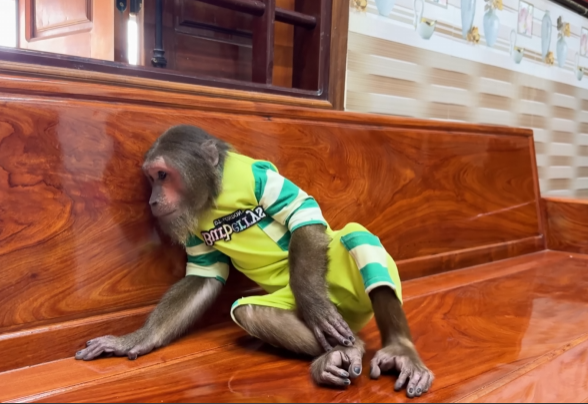
So they added another smart step to their process — placing harvested papayas immediately into crates lined with banana leaves. This kept them clean, cool, and protected.
As the sun began to lower, golden light spread across the orchard. The boys worked steadily, laughter mixing with concentration.
By late afternoon, every ripe papaya had been carefully harvested.
They stood back and admired the neatly stacked crates filled with beautiful, unbruised fruit.
“Mission accomplished,” Buem said proudly.
But CUTIS wasn’t finished yet.
“Let’s surprise Mom,” he suggested.
They selected the largest, most perfect papaya and carried it home. In the kitchen, they washed it carefully and sliced it open.
The inside glowed deep orange, filled with shiny black seeds.
“Wow,” Buem whispered.
They scooped out the seeds and sliced the fruit neatly. CUTIS arranged the slices into a flower shape on a plate. He even added a few mint leaves from the garden for decoration.
When Mom returned from the market, tired but smiling, she was surprised to see the empty orchard and stacked crates.
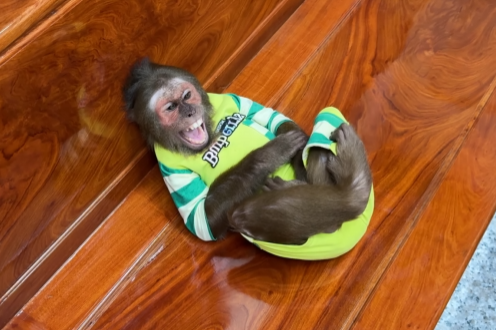
“You harvested everything?” she asked in disbelief.
CUTIS and Buem nodded proudly.
CUTIS showed her the homemade fruit picker.
Her eyes widened with admiration. “You built this?”
“Yes,” CUTIS replied confidently. “It keeps the fruit safe.”
Mom inspected the papayas carefully. Not a single bruise.
She smiled warmly. “This is very smart. You solved the problem without risking your safety.”
Then she noticed the plate of sliced papaya waiting on the table.
“For you,” Buem said shyly.
Mom tasted a slice.
Sweet. Juicy. Perfect.
She hugged both boys tightly. “I’m so proud of your thinking and teamwork.”
That evening, neighbors stopped by after hearing about the efficient harvest. CUTIS demonstrated the fruit picker proudly. Soon, other farmers became interested in building similar tools.
“You don’t need expensive equipment,” CUTIS explained. “Just creativity and careful thinking.”
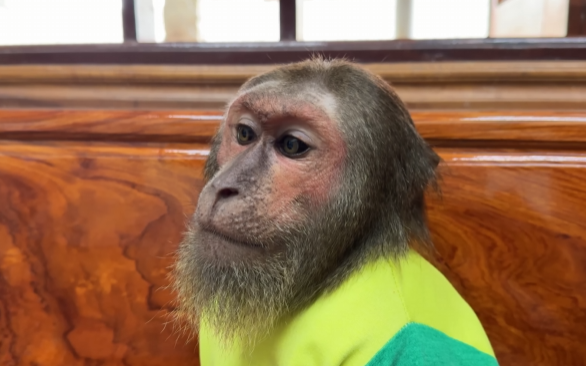
Buem added, “And teamwork!”
The orchard that once seemed challenging had become a place of innovation.
As the sun set completely, painting the sky in deep orange and purple, CUTIS reflected quietly.
Harvesting papayas wasn’t just about picking fruit. It was about solving problems, protecting quality, and keeping everyone safe.
He learned that intelligence isn’t always complicated. Sometimes it’s about observing carefully, remembering what you’ve seen, and adapting ideas creatively.
That night, as they sat outside enjoying fresh papaya dessert, Mom said softly, “The smartest solutions often come from simple ideas.”
CUTIS looked at Buem and smiled.
They had turned a difficult task into a successful adventure.
They had proven that with creativity, teamwork, and smart planning, even tall trees full of delicate fruit could be harvested safely and efficiently.
And from that day forward, whenever people spoke about clever young helpers in the village, they would proudly mention:
CUTIS & Buem — the boys who discovered a surprisingly smart way to harvest papayas.