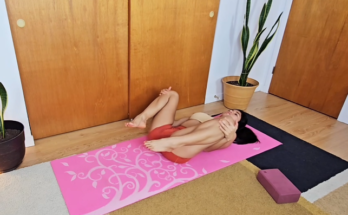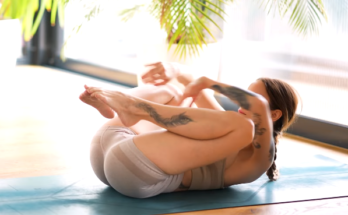
Yoga is often admired for its aesthetic appeal. Pictures of long, flexible bodies in graceful poses circulate widely, inspiring people to take up the practice. But ChenXian reminds us with the phrase, “Beauty fades. Strength stays,” that yoga is far more than outward appearance. Its true power lies not in the fleeting perfection of form but in the enduring strength it cultivates—physically, mentally, and spiritually. This strength is lasting, resilient, and transformative, outlasting the ephemeral beauty of youth or flexibility.
In this discussion, we explore why strength matters more than external beauty in yoga, how it manifests in practice, and how a consistent, mindful approach nurtures strength that lasts a lifetime.
The Misconception of Beauty in Yoga
When yoga is portrayed in media, the focus is often on visually striking poses: backbends, splits, or extreme balances. While these displays of flexibility and grace can be impressive, they can also create unrealistic expectations. Many beginners compare themselves to images that do not reflect the reality of steady, long-term practice.
External beauty in yoga can fade for several reasons:
- Age: Muscle elasticity decreases, and joint flexibility changes over time.
- Life circumstances: Injuries, stress, or changes in lifestyle can limit flexibility.
- Genetics: Not everyone has naturally long muscles or joint mobility.
Relying on beauty as the measure of yoga practice sets the stage for disappointment. Flexibility and form may change, but this is natural. Yoga’s enduring value lies elsewhere—in the strength and stability it cultivates.
Understanding Strength in Yoga
Strength in yoga is multi-dimensional. It is not just about muscular power but also about balance, endurance, control, and mental resilience. ChenXian’s statement reminds us that strength outlasts superficial beauty because it supports function, health, and vitality.
1. Physical Strength:
Yoga develops strength in a functional, sustainable way. It engages the muscles through body weight, dynamic transitions, and controlled poses. This strength:
- Supports joints and reduces injury risk
- Improves posture and alignment
- Enhances endurance for daily activities
- Develops muscular balance, preventing overuse of specific areas
Unlike appearances, physical strength doesn’t disappear overnight. Even with age or reduced flexibility, the body remains capable because of foundational strength developed through consistent practice.
2. Mental Strength:
Yoga also cultivates inner resilience. Strength is expressed as:
- Patience in challenging poses
- Ability to face discomfort without resistance
- Concentration and mindfulness during practice
- Persistence in maintaining a routine
Mental strength allows practitioners to navigate life with composure. It endures long after youthful flexibility diminishes.
3. Emotional Strength:
Through yoga, we learn to sit with sensations, observe thoughts without attachment, and release tension stored in the body. Emotional strength:
- Reduces stress and anxiety
- Enhances emotional regulation
- Promotes self-acceptance and resilience
This inner strength is independent of appearance and becomes more pronounced with consistent practice.
Building Lasting Strength Through Yoga
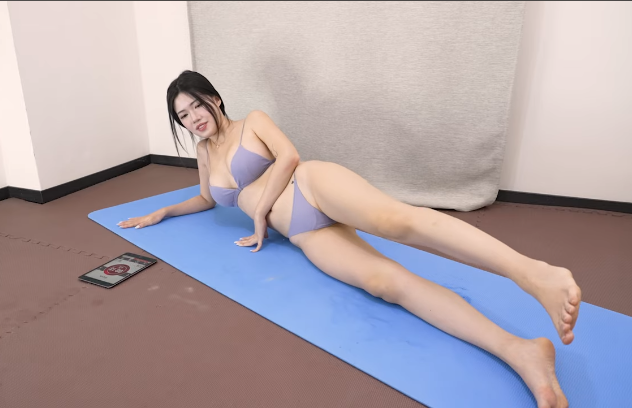
To develop strength that endures, the practice must go beyond chasing visually appealing poses. ChenXian emphasizes mindful engagement, progressive training, and attention to holistic well-being.
1. Focus on Alignment and Engagement
Every pose has an optimal alignment that maximizes strength benefits. For example:
- In plank pose, engage the core, glutes, and shoulders rather than collapsing into the chest.
- In warrior poses, root the feet firmly while lifting the hips and extending through the arms.
Correct engagement strengthens muscles, supports joints, and builds endurance—qualities that remain long after flexibility changes.
2. Incorporate Strength-Based Poses
While yoga often emphasizes flexibility, integrating strength-focused poses ensures balanced development. Key examples include:
- Plank and Side Plank: Build core, arm, and shoulder strength.
- Chair Pose (Utkatasana): Strengthens thighs, glutes, and stabilizers.
- Bridge Pose (Setu Bandhasana): Engages glutes, hamstrings, and back muscles.
- Boat Pose (Navasana): Strengthens core and hip flexors.
Strength gained through yoga is functional—it supports daily movement and enhances long-term health.
3. Flow With Control
Dynamic sequences like vinyasa or flow yoga develop muscular endurance. Moving mindfully through transitions requires engagement in multiple muscle groups simultaneously. The benefits include:
- Strengthened legs, core, and arms
- Enhanced balance and coordination
- Improved cardiovascular support
Controlled, conscious movement ensures strength develops steadily and safely.
4. Consistency Over Intensity
Short, daily practice often produces more lasting results than occasional, intense sessions. By building a consistent routine, strength gradually accumulates in a sustainable way. Even 20–30 minutes daily can transform endurance, stability, and overall vitality.
The Interplay Between Flexibility and Strength
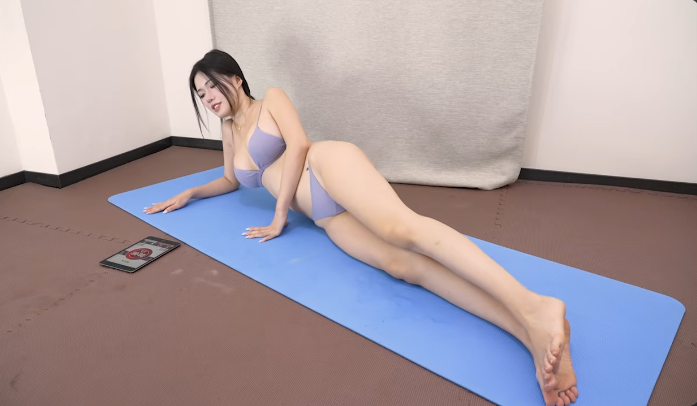
Flexibility is an important aspect of yoga, but it is transient. Strength provides the stability and support that allows safe exploration of flexible ranges. Without strength, flexibility can become unstable, leading to injuries or imbalance.
- Muscle engagement: Supports joints in deep stretches, preventing overextension.
- Core activation: Stabilizes the spine during bends and twists.
- Balance control: Keeps you steady in standing and one-legged poses.
ChenXian’s philosophy reminds us that flexibility is a bonus, but strength is essential. Strength allows practitioners to maintain yoga safely and reap long-term benefits.
Yoga Beyond the Mirror
Many practitioners start yoga with an eye on external appearance, but the most fulfilling benefits are felt rather than seen. Strength allows:
- Sustained mobility for everyday life
- Enhanced posture and reduced discomfort
- Greater resilience during physical challenges
- Confidence in movement and body awareness
Unlike the fleeting beauty of perfect poses or a graceful line, strength is internal, lasting, and practical.
Mental Resilience Through Yoga
Strength in yoga is as much mental as it is physical. Practicing challenging poses cultivates discipline, patience, and self-compassion. For instance:
- Holding a plank builds physical endurance and mental focus.
- Sitting in meditation strengthens concentration and emotional stability.
- Flow sequences teach perseverance and adaptation.
These qualities translate into life off the mat. Strength stays when appearances fade; it empowers you to handle stress, setbacks, and change with grace.
Emotional Stability and Inner Power
Yoga encourages practitioners to confront tension and discomfort, particularly stored in muscles and connective tissue. Hips, shoulders, and the spine often harbor emotional stress. Through mindful stretching and release:
- Emotional tension can surface and dissipate.
- Awareness of patterns in the body fosters self-understanding.
- Strength is cultivated in the ability to observe and release, not suppress, sensations.
Thus, yoga builds emotional resilience that far outlasts external beauty.
Aging Gracefully With Strength
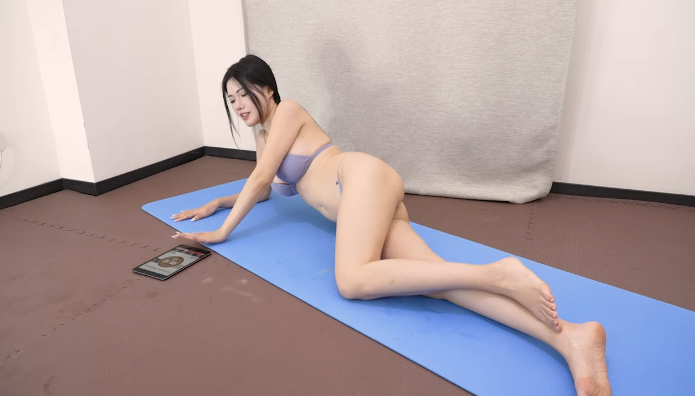
As the body ages, beauty defined by flexibility, posture, or muscle tone may naturally decline. However, strength—both physical and mental—remains invaluable.
- Muscles maintain function: Strong muscles support joints, reduce pain, and prevent falls.
- Joint stability improves: Strengthened connective tissue helps prevent injuries.
- Confidence in movement persists: A strong body allows continued engagement in life’s activities.
Strength becomes a lifelong asset, allowing yoga practitioners to age gracefully, independently, and with vitality.
Integrating Strength-Centric Yoga
ChenXian’s principle, “Beauty fades. Strength stays,” can guide your yoga approach:
- Prioritize Engagement: Focus on muscular and core activation in every pose.
- Balance Flexibility with Stability: Stretch safely while maintaining strength to support joints.
- Practice Mindfulness: Use breath and awareness to enhance both physical and mental endurance.
- Commit to Consistency: Short, regular sessions build sustainable strength over time.
- Value Function Over Form: Celebrate capability and stability rather than appearance.
By applying these principles, yoga becomes a tool for lasting vitality and resilience.
Conclusion: Strength as True Beauty
In yoga, appearances can deceive. Flexibility and graceful poses may impress, but they are temporary. ChenXian’s statement, “Beauty fades. Strength stays,” reminds us of the enduring value of strength cultivated through mindful, consistent practice.
Yoga builds strength on multiple levels—physical, mental, and emotional—allowing practitioners to move through life with stability, confidence, and resilience. Strength supports functional movement, safeguards against injury, and fosters inner calm, all of which persist long after youthful appearances fade.
Ultimately, the true beauty of yoga lies in its ability to cultivate lasting strength, which empowers practitioners to live fully, move freely, and embrace life with grace. When the mirror shows changes and flexibility shifts, the strength nurtured on the mat remains—a foundation for health, vitality, and inner power.
Yoga is a lifelong journey. Focus on strength, honor your body, and let your practice reflect enduring capability rather than fleeting beauty. By doing so, you embody ChenXian’s philosophy: the strength cultivated today will support you for years to come, long after the superficial aspects of beauty have naturally faded.