Morning is a sacred pause between sleep and the responsibilities of the day. How you choose to begin those first moments can shape your energy, mood, and focus for hours to come. A yoga morning flow at home is one of the simplest yet most powerful ways to wake up your body, calm your mind, and gently build flexibility—without rushing, pressure, or complicated routines.
This article will guide you through the philosophy, benefits, and structure of an easy morning yoga flow designed for stretching, mobility, and flexibility. Whether you are a complete beginner or someone returning to yoga after a break, this gentle home practice can become your daily ritual for balance and wellbeing.
Why Choose a Morning Yoga Flow?
Morning yoga is not about pushing limits or sweating intensely. Instead, it is about listening. After hours of rest, the body is naturally stiff, the joints need lubrication, and the breath needs space to expand fully again. A slow, mindful flow helps you transition from rest to movement with kindness.
Practicing yoga in the morning can:
- Increase flexibility gradually and safely
- Improve circulation and joint mobility
- Reduce morning stiffness in the back, hips, and shoulders
- Calm the nervous system and reduce stress
- Improve posture and body awareness throughout the day
- Set a positive, intentional tone for your mindset
Unlike intense workouts, a morning yoga flow works with your body’s natural rhythms, not against them.
Creating Your Home Yoga Space
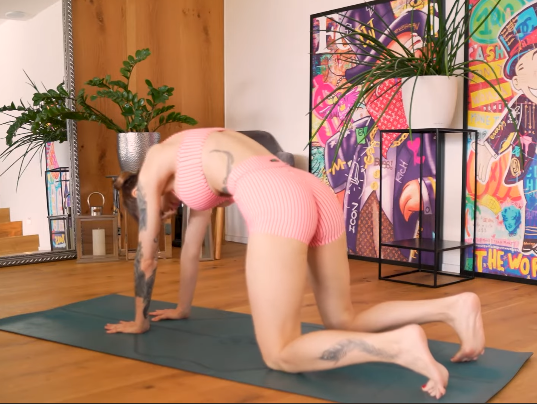
One of the beauties of a home yoga practice is simplicity. You don’t need a large room or expensive equipment. A small, quiet space where you can stretch your arms freely is enough.
Basic setup tips:
- Use a yoga mat or a soft carpet
- Wear comfortable clothing that allows free movement
- Keep the room ventilated or open a window for fresh air
- Optional props: a pillow, blanket, or yoga block
- Practice barefoot for better balance and grounding
Most importantly, bring a relaxed attitude. There is no “perfect” pose—only your version of it today.
Breath: The Foundation of Your Morning Flow
Before moving, connect to your breath. Breath is the bridge between body and mind in yoga. In the morning, breathing deeply helps wake up your lungs and gently energize your system.
Start by sitting or standing comfortably and take 5–10 slow breaths:
- Inhale through the nose, expanding the ribs and belly
- Exhale slowly, releasing tension from the shoulders and jaw
As you move through your flow, aim to:
- Inhale to lengthen or open the body
- Exhale to soften, fold, or release
Never force the breath. Let it guide your pace.
Gentle Warm-Up: Waking the Body Slowly
A proper warm-up is essential for flexibility and injury prevention, especially in the morning.
Neck and Shoulder Release
Begin with slow neck circles, rolling the head gently from side to side. Follow with shoulder rolls—up, back, and down—coordinated with your breath. This helps release tension that often builds up during sleep.
Spinal Mobility
Move into gentle spinal movements such as seated or standing cat-cow motions. Arch the spine slightly on the inhale, then round it softly on the exhale. This awakens the entire back and improves spinal flexibility.
Wrist and Ankle Circles
These small joints are often overlooked but crucial for balance and comfort in yoga. Slow circles increase circulation and prepare them for weight-bearing poses.
Standing Flow: Building Heat and Flexibility
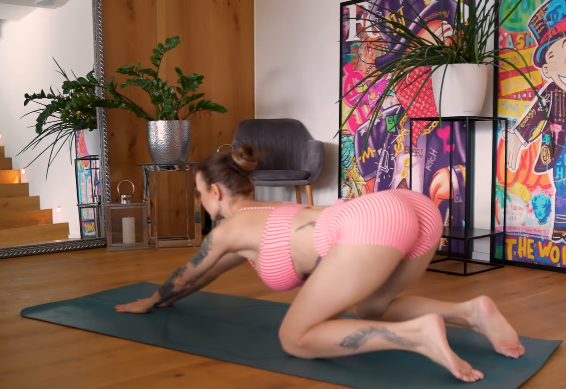
Once your body feels awake, transition into a simple standing flow. These movements gently build warmth while stretching large muscle groups.
Mountain Pose (Tadasana)
Stand tall with feet hip-width apart. Engage your legs lightly, lengthen your spine, and relax your shoulders. This pose builds awareness and grounding.
Forward Fold (Uttanasana)
On an exhale, hinge at the hips and fold forward. Bend the knees generously if needed. This stretches the hamstrings, calves, and lower back while calming the nervous system.
Half Lift
Inhale and lift halfway, lengthening the spine. Place hands on shins or thighs. This helps build flexibility in the back while strengthening postural muscles.
Flow gently between half lift and forward fold several times, syncing movement with breath.
Sun-Inspired Gentle Flow
A simplified sun flow is ideal for morning practice. It energizes without exhausting.
- Inhale: lift arms overhead, stretch upward
- Exhale: fold forward
- Inhale: half lift
- Exhale: step back into a gentle lunge
- Inhale: open the chest
- Exhale: step forward and fold
Repeat slowly on both sides. Move with control and awareness, not speed.
Hip and Leg Flexibility Work
Hips store both physical and emotional tension. Gentle stretching here can feel deeply releasing.
Low Lunge
From standing, step one foot back and lower the knee to the mat. Sink the hips slightly forward while keeping the chest lifted. This stretches the hip flexors and thighs.
Hamstring Stretch
Straighten the front leg and fold gently over it. Keep the spine long. This improves flexibility in the hamstrings and calves—key areas for daily movement.
Switch sides slowly, breathing deeply into any tight areas.
Seated and Floor Stretches
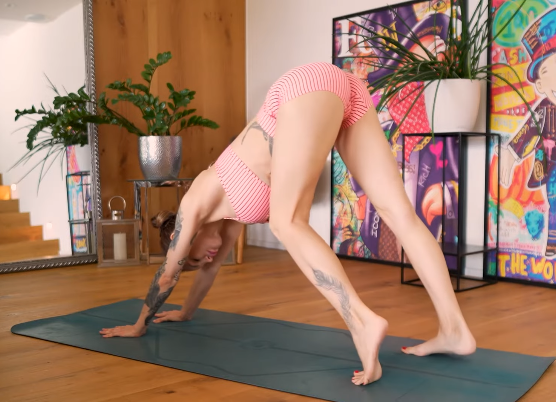
As your body warms, floor-based stretches allow for deeper flexibility without strain.
Seated Forward Fold
Sit tall, extend your legs, and hinge forward gently. This stretch calms the mind while lengthening the back of the body.
Butterfly Pose
Bring soles of the feet together and let the knees relax outward. This opens the hips and inner thighs—perfect for morning stiffness.
Supine Spinal Twist
Lying on your back, draw one knee across your body and twist gently. This massages internal organs and releases tension in the spine.
Relaxation and Integration
A morning flow should always end with stillness. Even a short relaxation helps your body absorb the benefits of the practice.
Final Rest
Lie on your back with arms relaxed at your sides. Close your eyes and take slow, natural breaths for 2–5 minutes. Feel your body grounded and calm.
You may notice:
- Increased warmth and circulation
- A lighter, more flexible feeling in the body
- A clearer, calmer mind
This quiet moment is just as important as the movement itself.
Tips for Consistency and Progress
- Practice for 10–30 minutes depending on your schedule
- Move slowly—flexibility improves over time, not overnight
- Never force a stretch; mild discomfort is okay, pain is not
- Practice at the same time each morning to build a habit
- Celebrate small changes in how your body feels
Yoga is a lifelong journey, not a quick fix.
Final Thoughts
A yoga morning flow at home with easy stretching exercises is more than just a flexibility workout—it is an act of self-care. It teaches patience, presence, and respect for your body’s natural rhythms. Over time, this gentle daily ritual can transform not only your flexibility but also your relationship with movement and yourself.
Start where you are. Breathe. Stretch. Flow. Let each morning be a fresh beginning.