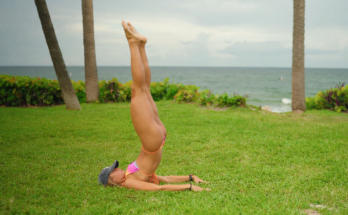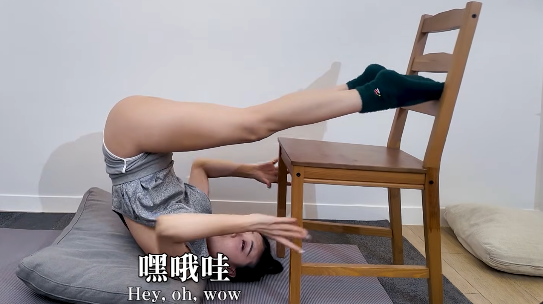
Pigeon Pose is one of those yoga postures that looks simple from the outside—but the moment you step into it, your body tells the truth. Tight hips, hidden emotions, long-stored tension… everything shows up. That’s exactly why the Yoga Pose Challenge: Pigeon Pose – Pear Style is more than just a movement challenge. It’s an invitation to meet your body honestly, gently, and with courage.
In this challenge, Pigeon Pose becomes a journey. A test of patience, breath, alignment, and self-compassion. Whether you’re flexible or stiff, experienced or new, this challenge isn’t about perfection. It’s about presence.
Why Pigeon Pose Is a True Challenge
Pigeon Pose (Eka Pada Rajakapotasana) targets the hips—an area where many people store physical tightness and emotional stress. Long hours of sitting, lack of mobility, stress, and even unprocessed emotions can make the hips resistant and sensitive.
When you enter Pigeon Pose, you may feel:
- Deep stretching in the hip flexors and glutes
- Resistance or discomfort on one side more than the other
- Emotional release, including unexpected frustration or calm
- A strong urge to escape the pose
That’s why this pose is perfect for a Yoga Pose Challenge. It doesn’t reward force. It rewards patience.
What Does “Pear Style” Mean?
The “Pear Style” approach focuses on:
- Lower-body awareness, especially hips and pelvis
- Gradual opening, not aggressive pushing
- Asymmetrical balance, honoring that each side is different
- Soft strength, combining stability with surrender
In Pear Style Pigeon Pose, you work with your body shape instead of fighting it. The emphasis is on feeling rather than forcing, allowing the body to open naturally over time.
Setting Up the Challenge
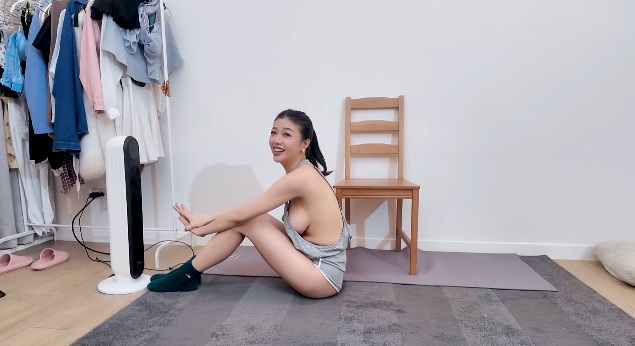
Before beginning the Pigeon Pose Challenge, preparation is key. Cold hips don’t open easily, and rushing only increases the risk of strain.
Start with:
- Gentle hip circles
- Cat-Cow stretches
- Low lunges
- Seated forward folds
- Slow, steady breathing
Warming up ensures your body is ready to receive the pose instead of resisting it.
Entering Pigeon Pose Mindfully
From Downward-Facing Dog, bring your right knee forward toward your right wrist. Your shin can be angled—no pressure to make it parallel to the mat. Extend your left leg straight back, keeping the hips squared as comfortably as possible.
Here’s the challenge part:
Pause. Don’t rush down.
Notice:
- Are you holding your breath?
- Are your shoulders tense?
- Is your mind judging your flexibility?
Place props under the hips if needed. Blocks, folded blankets, or cushions are signs of wisdom, not weakness.
The Real Challenge: Staying
Anyone can drop into Pigeon Pose for a few seconds. The challenge is staying present.
In this Yoga Pose Challenge, aim to hold Pigeon Pose for:
- 30 seconds if you’re new
- 1–2 minutes for intermediate practitioners
- 3–5 minutes for advanced or restorative practice
As time passes, sensations change. What starts as intensity may soften. Or it may reveal deeper layers of tightness. The key is breathing through it.
Breath: Your Secret Weapon
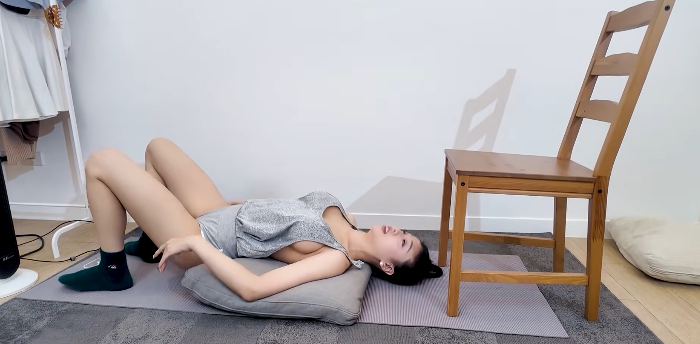
In Pigeon Pose, breath determines everything.
Try this:
- Inhale slowly through the nose, expanding the ribs
- Exhale longer than you inhale, releasing tension
- Imagine your breath traveling into the hips
Every exhale is an invitation to let go—not to collapse, but to soften.
Forward Fold or Upright? Choose Wisely
In the Pear Style approach, both variations matter.
Upright Pigeon Pose:
- Builds strength in the spine
- Encourages awareness and control
- Great for shorter holds
Forward-Folding Pigeon Pose:
- Deepens the hip release
- Encourages surrender and introspection
- Ideal for longer holds and emotional release
The challenge isn’t choosing the “harder” version. It’s choosing the one your body truly needs today.
Facing Imbalance: One Side Feels Easy, the Other Doesn’t
Almost everyone experiences this:
- One hip opens easily
- The other feels tight, painful, or frustrating
This is where the challenge becomes mental.
Instead of comparing sides, observe them. Each side tells a different story. The tighter side isn’t “bad”—it’s just asking for more patience.
Pear Style yoga honors these differences instead of correcting them aggressively.
Emotional Release: Yes, It’s Real
Many practitioners report emotional reactions in Pigeon Pose:
- Sudden sadness
- Irritation
- Unexpected calm
- Tears without a clear reason
This is normal.
Hips are often associated with stored stress and unresolved emotions. The Yoga Pose Challenge encourages you not to suppress these reactions but to witness them without judgment.
You don’t need to understand everything. You just need to stay present.
Progress in the Challenge: What Success Looks Like
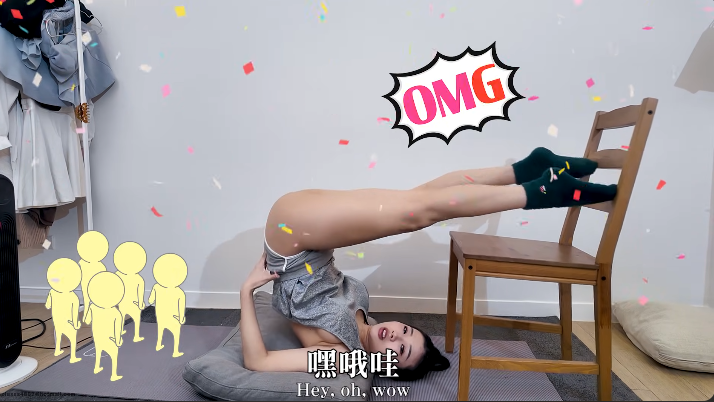
Success in this Pigeon Pose Challenge is not:
- Getting your shin perfectly parallel
- Dropping your chest fully to the mat
- Looking impressive on camera
Real progress looks like:
- Breathing calmly in discomfort
- Using props without guilt
- Staying longer with less tension
- Feeling more awareness, not just more stretch
Some days will feel open and fluid. Others will feel stiff and resistant. Both are valid.
Modifications Are Part of the Challenge
Pear Style Yoga embraces modification as mastery.
Options include:
- Reclined Pigeon Pose (Figure Four on the back)
- Using blocks or bolsters under the hips
- Keeping the back leg bent
- Shortening the hold time
The challenge isn’t to suffer—it’s to listen.
After the Pose: Integration Matters
When you exit Pigeon Pose, move slowly. The hips are vulnerable after deep stretching.
Follow with:
- Gentle backbends
- Neutral poses like Child’s Pose
- Easy twists
- A brief rest before switching sides
Notice how your body feels afterward—lighter, warmer, more spacious.
Why This Yoga Pose Challenge Is Worth It
Pigeon Pose teaches lessons beyond flexibility:
- Patience instead of force
- Acceptance instead of comparison
- Breath instead of resistance
Each time you return to this pose, you meet a new version of yourself. That’s the real challenge—and the real reward.
Final Thoughts
The Yoga Pose Challenge: Pigeon Pose – Pear Style isn’t about mastering a shape. It’s about building a relationship with your body—especially the parts that resist, ache, or feel vulnerable.
Show up.
Breathe.
Stay curious.
And remember: every moment you choose awareness over judgment, you’ve already succeeded in the challenge.
🧘♀️✨