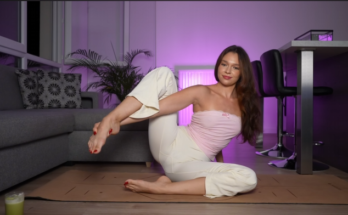
Gymnastics and yoga are two movement disciplines that, at first glance, may seem very different. Gymnastics is often associated with power, speed, and spectacular physical feats, while yoga is commonly linked to calmness, balance, and inner peace. Yet beneath the surface, these two practices share deep connections. Both demand strength, flexibility, coordination, discipline, and body awareness. When viewed together, gymnastics and yoga reveal how dynamic power and mindful control can complement each other to create a strong, flexible, and resilient body and mind.
Gymnastics is a highly structured physical discipline that focuses on developing strength, agility, balance, and precision. It challenges the body through movements such as flips, handstands, swings, and controlled landings. Gymnasts train their muscles to generate explosive power while maintaining fine motor control. Every movement requires focus, timing, and confidence. Gymnastics builds a body that is strong, fast, and capable of performing complex actions with accuracy.
Yoga, on the other hand, is a holistic practice that combines physical postures, breathing techniques, and mindfulness. While yoga can also be physically demanding, its deeper goal is balance—between strength and flexibility, effort and ease, body and mind. Yoga postures often involve holding positions for longer periods, encouraging stability, alignment, and calm focus. Unlike gymnastics, yoga places less emphasis on performance and more on internal experience.
Despite these differences, gymnastics and yoga share a strong foundation of body awareness. In gymnastics, athletes must understand exactly where their bodies are in space to perform safely and effectively. This awareness, known as proprioception, is essential for complex skills like flips and rotations. Yoga cultivates a similar awareness through slow, mindful movement and sustained attention to alignment and breath. In both practices, success depends on knowing and controlling the body with precision.

Strength is a central element in gymnastics. Gymnasts develop powerful muscles in the arms, legs, core, and shoulders to support their body weight and generate momentum. Yoga also builds strength, though often in a more subtle and sustained way. Holding poses such as planks, balances, or arm supports requires deep muscular engagement. Yoga strength is not about explosive force but about endurance, control, and stability. Together, these approaches create a balanced form of strength.
Flexibility is another shared requirement. Gymnastics demands a high level of flexibility to perform splits, arches, and extended positions safely. Without flexibility, the risk of injury increases, and movement quality suffers. Yoga places strong emphasis on flexibility as well, using gentle stretching and mindful breathing to lengthen muscles and increase joint mobility. Yoga’s gradual approach to flexibility can support gymnasts by improving range of motion while reducing tension and strain.
Balance and coordination are essential in both disciplines. Gymnasts train balance through skills on beams, rings, or floor routines, where even small errors can affect performance. Yoga includes many balancing poses that challenge stability and focus. Holding these poses encourages patience, concentration, and fine muscular control. Practicing balance in both dynamic gymnastics movements and static yoga poses strengthens both physical and mental steadiness.
Breathing highlights a key difference and potential synergy between gymnastics and yoga. In gymnastics, breathing often happens naturally during movement but is rarely the main focus. In yoga, breath is central. Controlled breathing helps regulate the nervous system, improve focus, and support movement. When gymnasts incorporate yogic breathing techniques, they can enhance concentration, manage performance anxiety, and improve recovery. Breath becomes a tool for both power and calm.

Mental discipline plays a major role in both practices. Gymnastics requires courage, focus, and resilience. Learning difficult skills often involves facing fear and overcoming repeated failure. Yoga develops mental discipline through mindfulness and patience. It encourages practitioners to stay present, accept limitations, and observe thoughts without judgment. Together, these mental skills support confidence, emotional control, and long-term motivation.
Another important connection is posture and alignment. Gymnastics emphasizes precise body alignment to maximize efficiency and safety. Small alignment errors can lead to falls or injuries. Yoga also places strong importance on alignment, teaching practitioners to stack joints correctly and distribute weight evenly. Improved alignment from yoga can help gymnasts move more efficiently and reduce stress on joints and muscles.
Recovery and injury prevention are areas where yoga can strongly support gymnastics. Gymnastics training is intense and physically demanding, often placing high stress on joints and muscles. Yoga provides a gentler counterbalance, helping release tension, improve circulation, and promote relaxation. Stretching and restorative yoga practices can speed up recovery, improve sleep, and reduce the risk of overuse injuries.
Emotionally, gymnastics and yoga offer different but complementary benefits. Gymnastics can be empowering, building confidence through mastery of challenging skills. Achieving a new movement or routine can create a strong sense of accomplishment. Yoga supports emotional balance by calming the mind and reducing stress. Together, they help practitioners feel both strong and centered, confident and calm.
Age and accessibility also highlight interesting contrasts. Gymnastics often begins at a young age and becomes more challenging as the body grows older due to its high physical demands. Yoga is accessible at any age and can be adapted to changing abilities. For former gymnasts, yoga can become a lifelong practice that maintains flexibility, strength, and body awareness long after competitive training ends.
Discipline and consistency are essential in both practices. Gymnastics requires structured training, repetition, and dedication. Progress comes from hours of practice and attention to detail. Yoga also rewards consistency, though in a gentler way. Regular practice leads to gradual improvements in flexibility, strength, and mental clarity. Both teach patience and respect for the process rather than quick results.

Creativity and expression are present in both disciplines as well. Gymnastics routines, especially in floor exercises, allow athletes to express personality through movement. Yoga, while more inward-focused, can also be expressive, especially in flowing styles where movement and breath create a personal rhythm. Both practices allow individuals to explore how their bodies move and express themselves physically.
Culturally, gymnastics and yoga come from different traditions, yet they meet in modern movement practices. Many athletes, dancers, and fitness enthusiasts now combine elements of both. Yoga-inspired warm-ups and cool-downs are common in gymnastics training, while gymnastic-style strength and balance enhance advanced yoga practices. This blending reflects a broader understanding of movement as both physical training and mindful exploration.
Ultimately, gymnastics and yoga represent two sides of the same coin. Gymnastics emphasizes external performance, power, and precision. Yoga emphasizes internal awareness, balance, and calm. When combined, they create a well-rounded approach to movement that develops strength without rigidity and flexibility without weakness.
By embracing both gymnastics and yoga, practitioners can build bodies that are powerful yet supple, focused yet relaxed. They learn that true physical mastery is not just about what the body can do, but how it feels, how it moves, and how it adapts. Gymnastics and yoga together teach balance—not only in movement, but in life itself.