In the dense, vibrant forests of tropical regions, where sunlight filters through a canopy of green leaves and the air hums with life, monkeys move with a combination of energy, curiosity, and social cunning. Among them, certain individuals display a behavior that often surprises even seasoned observers: greed. The phrase “greedy for all the monkeys” captures a fascinating aspect of primate social life—how some monkeys seem to want it all, whether it is food, attention, or social dominance.
Monkeys, like humans, are social creatures. They live in troops that can range from a few individuals to several dozen, depending on the species. Within these groups, there is a complex hierarchy that governs access to resources. Food, resting spots, grooming partners, and mating opportunities are all valuable commodities. Some monkeys seem to have an insatiable desire for these resources, earning them the nickname “greedy monkeys” among observers.
Greed in monkeys often manifests first in feeding behavior. In a troop, bananas, fruits, or nuts are distributed according to rank, speed, and agility. While many infants and juveniles wait patiently for their turn, a few monkeys take matters into their own hands. They snatch more than their share, hoard food, or even attempt to steal from others. This behavior is not mere mischief; it is a calculated survival strategy. Monkeys that secure more food are more likely to stay healthy, grow stronger, and survive in unpredictable environments.
A vivid example of this can be seen in macaque troops near riversides or villages. Certain individuals will jump from tree to tree, collecting fallen fruits, and quickly darting to safety before other monkeys can challenge them. These “greedy” monkeys often elicit a mix of awe and annoyance from their peers. While their boldness ensures they get more resources, it also brings social consequences. Other troop members may chase them, display aggressive gestures, or exclude them temporarily from grooming sessions. In these moments, the dynamics of greed and social order play out in a delicate balance.
Greed is not limited to food. Attention and affection within monkey troops are also valuable resources. Mothers and infants often form tight bonds, but juveniles seek attention from multiple sources to strengthen social networks. Some monkeys attempt to monopolize grooming partners or playful interactions, demonstrating a form of social greed. By securing these bonds, they gain emotional security, protection, and sometimes influence over others in the group. Monkeys understand that social resources are as critical as food for survival and reproduction.
Interestingly, greed is not always a negative trait in primates. In evolutionary terms, a little selfishness can be advantageous. Those monkeys that are willing to push boundaries, claim resources, or assert dominance may gain higher status, increased reproductive success, and greater access to food. In essence, greed can be a tool for survival, a mechanism that ensures the individual thrives while navigating a complex social environment.
Observing a “greedy” monkey at play offers fascinating insights into cognition and strategy. They often plan ahead, observing troop behavior and anticipating opportunities. A monkey might wait patiently while others gather food, then swoop in to claim the largest fruits or the most desirable branches. This level of foresight suggests that what appears as simple greed is intertwined with intelligence, learning, and adaptability. Monkeys are not merely acting on instinct; they are making decisions based on observation, memory, and social cues.
Yet, the cost of greed is evident. Monkeys that hoard too aggressively may face retaliation. Higher-ranking individuals can assert dominance, physically removing the greedy monkey from resources or displaying threatening gestures. Younger or weaker monkeys may be excluded from play or grooming if they consistently push the boundaries. In this way, the social structure serves as a regulating mechanism, balancing individual ambition with the needs of the group. Greed, when unchecked, can isolate an individual and create vulnerabilities.
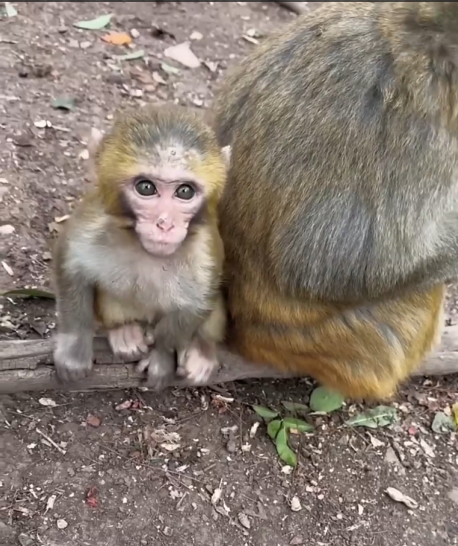
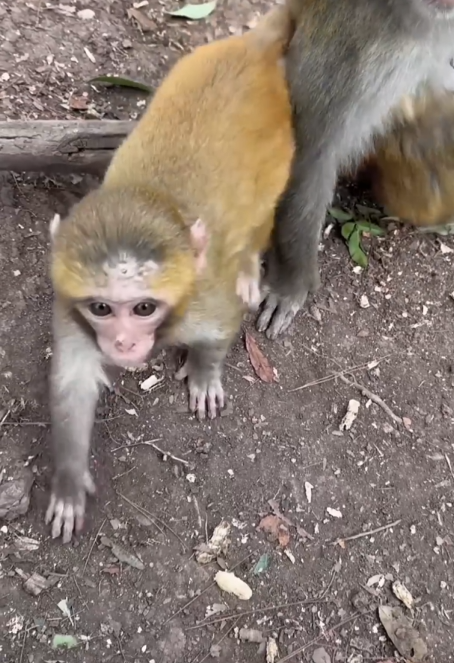
Baby monkeys are not exempt from this behavior. Even at a young age, some infants display a desire to claim toys, food, or attention beyond what they can handle. A young monkey may try to pull a fruit from a sibling, scramble for a favored resting spot, or demand grooming from a parent in a way that seems almost comical. These early displays of greed are part of learning social negotiation. Infants discover what is acceptable, what provokes conflict, and how to achieve goals without causing harm. In essence, even small acts of greed are integral to social and cognitive development.
In some cases, greed can also foster cooperation. Monkeys that show ambition may inspire alliances. For example, two young monkeys may share food temporarily or cooperate to outmaneuver a dominant individual. These interactions demonstrate that greed is not purely selfish; it can be a driving force for strategy, teamwork, and social learning. By attempting to “get it all,” monkeys develop problem-solving skills and understand the nuances of group dynamics.
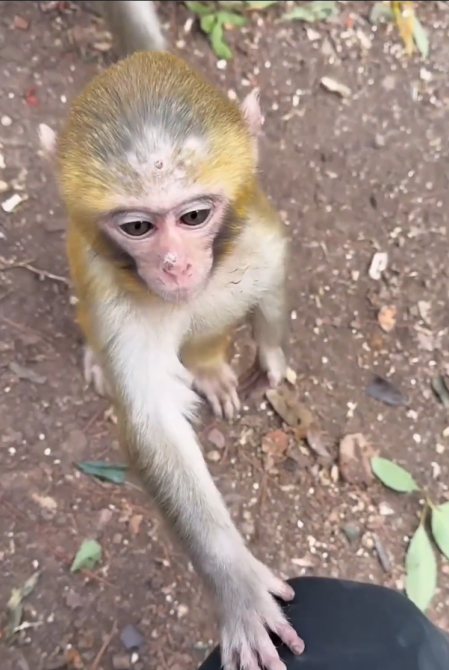
The idea of being “greedy for all the monkeys” also reflects how monkeys interact with humans in environments where the two species coexist. In tourist areas or wildlife reserves, certain monkeys learn to anticipate human behavior, snatching food or shiny objects from unsuspecting visitors. These monkeys are often the most successful in obtaining resources, demonstrating a type of adaptive greed. Their behavior is strategic: observe, approach cautiously, seize opportunity, and retreat before others interfere. Humans become part of the resource network, and these monkeys navigate it with remarkable intelligence.
Greed in monkeys is also tied to curiosity. A monkey that wants everything is often the one exploring new territories, investigating unknown fruits, or testing interactions with other species. Curiosity drives them to claim more, not just for consumption but for knowledge. In a sense, greed and exploration are two sides of the same coin: the desire to obtain more leads to learning more. Baby monkeys like this often grow into the most resourceful and adaptable adults, having learned to balance ambition with caution.
However, there is a delicate ethical balance in interpreting greed among monkeys. While it may appear selfish from a human perspective, in the wild, these behaviors are part of survival. The forest is a competitive environment, and every advantage counts. Monkeys that seem greedy are often the ones that navigate scarcity most successfully. Yet, they also experience social repercussions, teaching a lesson about limits, cooperation, and respect within the troop.
Researchers studying primates often highlight that acts of greed reveal intelligence, strategy, and personality. Each monkey approaches resources differently, and those “greedy for all the monkeys” often stand out due to creativity, boldness, and problem-solving abilities. These individuals teach observers about the diversity of thought and behavior in animal societies, challenging the assumption that animals act purely on instinct without planning or foresight.
Over time, the life of a greedy monkey balances risk and reward. Seizing too much too often may result in punishment, while restraint may lead to missed opportunities. Successful monkeys learn timing, observation, and the subtleties of negotiation. They understand that the goal is not merely to claim resources but to navigate the complex social web in which survival, play, and relationships coexist.
Even in seemingly chaotic moments, such as a troop scramble for fruit, the hierarchy and strategies reveal a structured form of greed. Dominant monkeys may assert control, juveniles may sneak away with small gains, and opportunistic individuals may exploit distractions. The troop becomes a theater where ambition, cleverness, and timing are constantly in play. Monkeys that are “greedy for all the monkeys” are often the ones who master this performance, learning quickly from successes and failures.
In conclusion, the idea of being “greedy for all the monkeys” is more than a description of desire; it is a window into the intelligence, strategy, and social dynamics of primate life. From infants tugging at siblings to adults claiming the best fruits, greed drives learning, adaptation, and survival. It shapes personality, influences social relationships, and teaches the boundaries of acceptable behavior.
Greed in monkeys is both functional and fascinating. It motivates exploration, fuels problem-solving, and encourages strategic thinking. Yet it is tempered by the social structure, teaching lessons in cooperation, negotiation, and respect. Observing monkeys in this light reveals a complex balance between ambition and social responsibility, survival and cooperation, instinct and intelligence.
Ultimately, to watch a troop of monkeys, each with its own desires, strategies, and ambitions, is to witness the delicate interplay of survival and social behavior. Those “greedy for all the monkeys” are not merely selfish—they are learners, explorers, and strategists navigating a world full of challenges and opportunities. In their greed, they teach lessons about resilience, adaptation, and the richness of life in the primate world.