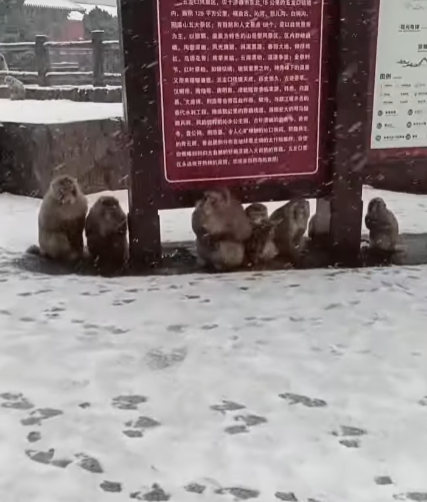
Snow is a rare and magical phenomenon in many parts of the world, and for creatures unaccustomed to it, the first encounter can be both astonishing and playful. Among these creatures, monkeys often provide the most remarkable and heartwarming reactions. Observing a monkey in the snow is a fascinating glimpse into adaptability, curiosity, and the playful intelligence of the animal kingdom.
The First Snowfall
It was a crisp winter morning when the first snow began to fall in the mountains where a troop of wild monkeys lived. At first, they were cautious, watching the delicate white flakes drift from the sky. Snow was a novelty here—a world transformed overnight, blanketed in soft, cold white.
Monkeys are known for their intelligence and curiosity, and this troop was no exception. Slowly, a few brave individuals ventured closer, stepping tentatively onto the powdery surface. Their tiny hands touched the snow, and they lifted them back quickly as if testing the texture. Some sniffed it, others nibbled at it. Every reaction revealed wonder, surprise, and a kind of playful experimentation.
The first encounter with snow is a lesson in adaptability. Monkeys, like many animals, are instinctively cautious of new environments, but their natural curiosity drives them to explore. This combination of caution and curiosity allows them to navigate unfamiliar situations with intelligence and flexibility.
Playfulness in the Snow
Once the initial shock passed, the monkeys began to embrace the snow. They leaped, rolled, and slid across it, creating a lively scene reminiscent of children playing in a winter wonderland. One particularly energetic monkey picked up a handful of snow and tossed it gently at a companion. The others responded with squeals and playful gestures, engaging in what appeared to be a joyful snowball fight.
Observing monkeys in snow demonstrates their social intelligence. Play is a critical part of their development and communication. It strengthens bonds, teaches young monkeys coordination and problem-solving skills, and relieves stress. In the snow, play becomes even more exciting because the environment is unpredictable, challenging, and novel.
The Science Behind Cold Adaptation
Monkeys in snowy environments, such as the Japanese macaques or “snow monkeys” of Jigokudani, have evolved remarkable adaptations to survive cold climates. Their thick, dense fur insulates them from freezing temperatures, while their social behavior—huddling together for warmth—ensures that even the smallest and youngest members survive harsh winters.
The sight of a monkey enjoying snow while also surviving it is a testament to nature’s ingenuity. Every leap, roll, and playful sprint demonstrates the combination of instinct, adaptation, and joy. Even in challenging conditions, these animals find ways to thrive and express their vitality.
Curiosity and Exploration
Snow transforms the environment into a playground filled with surprises. Branches are coated with frost, rocks and logs are slippery, and footprints leave traces of activity. Monkeys navigate this landscape with remarkable intelligence, adjusting their movement to maintain balance and using their hands and tails for support.
Their curiosity extends beyond play. Some monkeys are observed experimenting with objects in the snow, poking at frozen leaves, uncovering hidden food, or testing the texture and temperature of the environment. This interaction highlights their cognitive abilities and problem-solving skills. For a monkey in the snow, every flake, mound, or slippery branch presents a learning opportunity.
Social Bonds in a Winter Wonderland
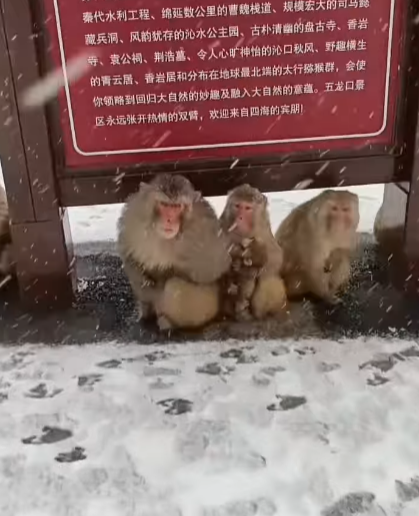
Winter brings its own challenges, including food scarcity and colder temperatures. In the snow, monkeys rely on each other for warmth, guidance, and companionship. They huddle together in groups, sharing body heat, grooming each other, and reinforcing social bonds.
These moments of togetherness are heartwarming, especially against the stark backdrop of a snowy landscape. Watching a troop of monkeys huddle for warmth, their fur dusted with snow, reminds us of the power of community, cooperation, and empathy—lessons that transcend species.
Challenges and Survival
While snow offers fun and novelty, it also poses challenges. Slippery surfaces increase the risk of falls, and extreme cold can threaten survival. Monkeys must adapt their movements, choose safe paths, and remain vigilant.
Yet even in these conditions, their playful nature persists. Snow provides both challenges and stimulation, encouraging monkeys to develop agility, strength, and coordination. For researchers and wildlife enthusiasts, observing monkeys in the snow offers insights into resilience, adaptability, and the balance between caution and curiosity.
A Photographer’s Dream
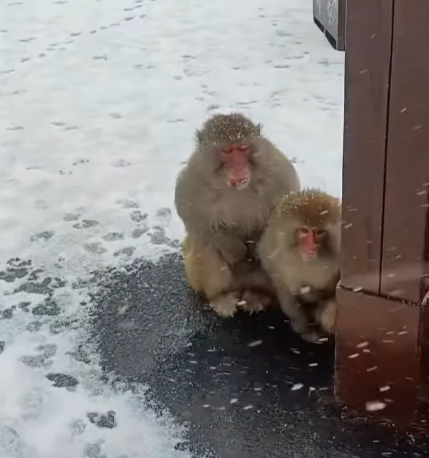
For photographers and wildlife enthusiasts, monkeys in snow are a spectacular sight. The contrast between the white, sparkling snow and the monkeys’ fur, combined with playful movement and expressive faces, creates stunning visual narratives. Each snapshot captures a moment of joy, intelligence, and personality.
Photographs of snow monkeys enjoying hot springs, leaping through snow, or engaging in playful interactions have become iconic images of the natural world. They remind us of the beauty and complexity of wildlife, and the way animals can inspire awe and wonder even in the harshest conditions.
Lessons for Humans
Watching monkeys in snow offers more than entertainment—it carries lessons for humans. Their adaptability, curiosity, and joy in facing new environments inspire us to approach life with similar qualities.
- Embrace the New: Like monkeys encountering snow, we too can benefit from approaching unfamiliar experiences with curiosity rather than fear.
- Balance Play and Survival: Monkeys teach us that even in challenging conditions, play and joy are essential for well-being.
- Value Community: Huddling together for warmth reflects the importance of relationships and cooperation.
- Adapt with Awareness: Navigating slippery, unpredictable terrain reminds us to move mindfully and strategically in life.
The Magic of Snow and Nature
Snow has a transformative effect, both on the landscape and on those who experience it. For monkeys, it is a world filled with novelty, stimulation, and joy. For humans observing them, it is a lesson in wonder and resilience. Watching a monkey leap, slide, or huddle in the snow reminds us that nature is full of surprises, and that even in challenging environments, life finds a way to flourish—and to have fun.
The image of a monkey frolicking in snow embodies freedom, adaptability, and the ability to find joy in any situation. It is a reminder that while life may present obstacles, there is always room for exploration, play, and connection.
Conclusion
A monkey in snow is more than just an amusing sight—it is a story of adaptability, intelligence, and joy. From the first cautious steps on frozen ground to playful leaps and tumbles, monkeys demonstrate resilience and curiosity. Their behavior in the snow teaches us about exploration, community, and the importance of embracing life’s surprises.
In watching these animals, we are reminded that even in cold, harsh, and unfamiliar environments, there is space for play, connection, and wonder. The snow, with all its challenges and beauty, becomes a playground for learning, bonding, and expression.
Ultimately, a monkey in snow symbolizes the joy of discovery, the courage to explore, and the ability to find delight in every new experience. Whether leaping from branch to branch, rolling through a fresh powdery patch, or huddling with friends for warmth, the monkey embodies qualities that inspire humans to approach life with curiosity, resilience, and playful energy.
So the next time you see snow falling, imagine the monkeys at play—leaping, sliding, and laughing in their winter wonderland. Their story is a reminder that no matter how cold or challenging life may seem, there is always room for joy, adventure, and connection. 🐒❄️